The tiny Central American nation of Costa Rica is best known for its beaches, rainforests and biodiversity — but a flourishing film community has also been making waves in distant shores.
Nathalie Alvarez’s debut feature Clara Sola, which world premiered at the 2021 Cannes Film Festival, is one of several recent notable Costa Rican films that have landed on the world stage. This year, Valentina Maurel’s debut feature, Tengo Sueños Electricos, competes in Locarno, while in Cannes last May, Ariel Escalante’s Domingo and the Mist vied for the top Un Certain Regard prize and Kim Torres’ Luz Nocturna competed among the short films. “A lot of these emerging films are by young women; we have so many stories to tell,” said Alvarez.
Oscilloscope Laboratories has set a platform release for the drama, which kicked off in New York and Los Angeles on July 1 and 8, respectively. A VOD launch will be announced shortly.
Subscribe HERE to the FREE Media Play News Daily Newsletter!
Born in Sweden of Costa Rican and Uruguayan parents, Alvarez grew up in Costa Rica until her late teens when she pursued her bachelor of fine arts degree in mime acting at the Stockholm University of the Arts in Sweden. She later graduated from Columbia University’s Graduate Film Program in NYC with a master of fine arts degree in film directing and screenwriting.
Clara Sola was borne out of a screenwriting exercise for her Swedish film school. She later co-wrote the film with Maria Camila Arias, said Alvarez. “It’s inspired by my memories of Costa Rica where I was surrounded by women, but who followed patriarchal norms,” she said, adding that she didn’t question them then but does now. “Women are made to follow these religious traditions, which in the end are not healthy,” she said.
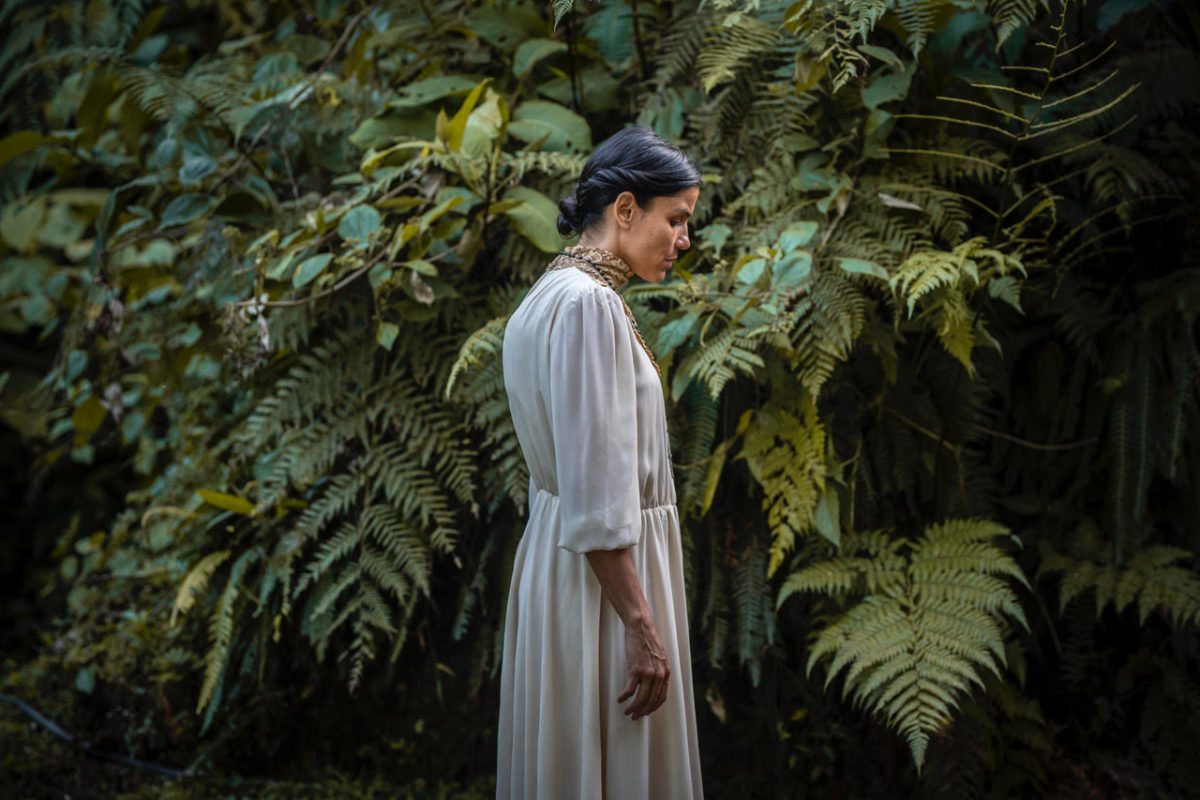
The titular Clara Sola, played by dancer Wendy Chinchilla in her acting debut, lives in a remote Costa Rican village surrounded by a forest where her family and community see her as a healer. Chafing under her mother’s strict supervision, she finds solace in the company of the family mare and the insects she finds. Tension ratchets up within the family when her niece prepares for her quinceañera, triggering a sexual and mystical awakening in Clara that eventually leads to her emancipation.
Since making Clara Sola Alvarez has directed an episode for Showtime’s upcoming series “Three Women” and has been developing her next film, The Wolf will Tear Your Immaculate Hands, which she describes as “a tropical gothic film set in colonial Latin America.” She will be scouting for a location with colonial architecture set against a forest. Her producers to date are her Clara Sola backers: Sweden’s Nima Yousefi of Hobab and U.S.-based Alan McConnell of Resolve Media.
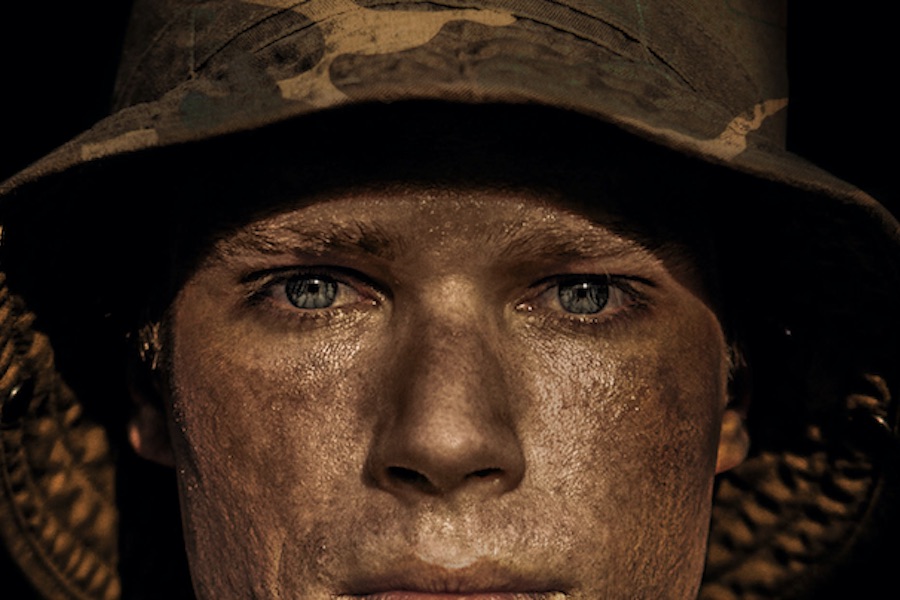
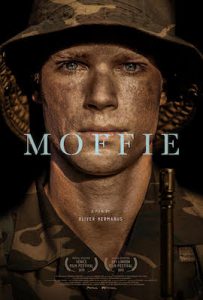 Speaking of South Africa’s military then, Hermanus said, “It was ‘institutionalized whiteness.’ [The soldiers] were brainwashed to represent the ideologies of apartheid which extended to the treatment of women and the treatment of children.”


 Released by Dark Star Pictures, The Antenna has played in some prominent film festivals, including Toronto, BFI London and Spain’s premier fantasy film festival, Sitges.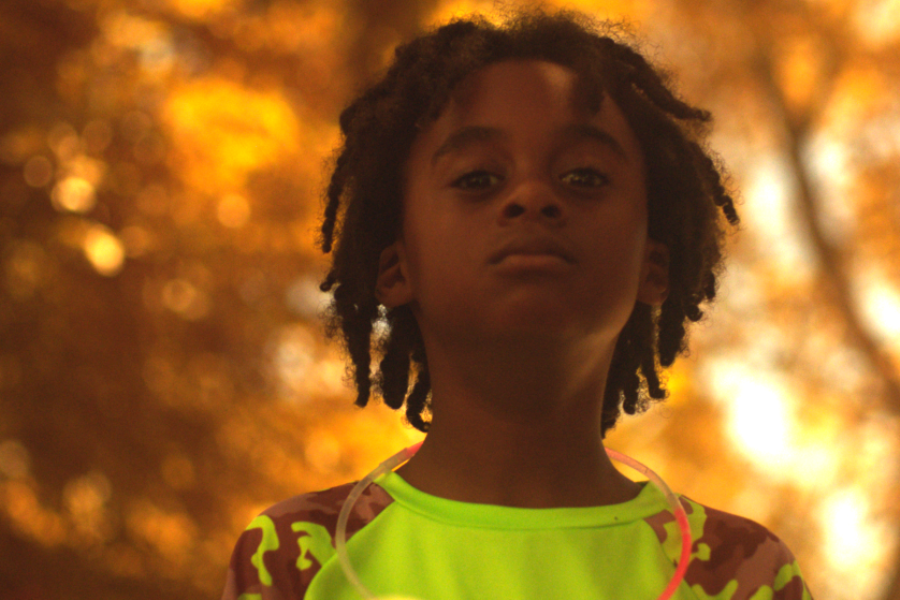
 “We didn’t have any expectations about ending up in Venice,” noted Gerima, whose father is celebrated Ethiopian filmmaker Haile Gerima, a renowned figure in the L.A. Rebellion film movement.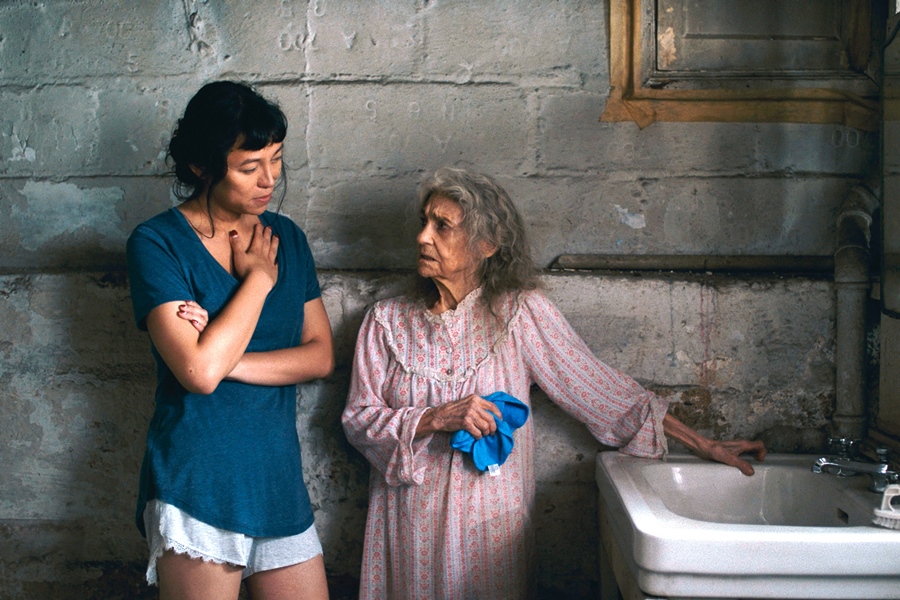
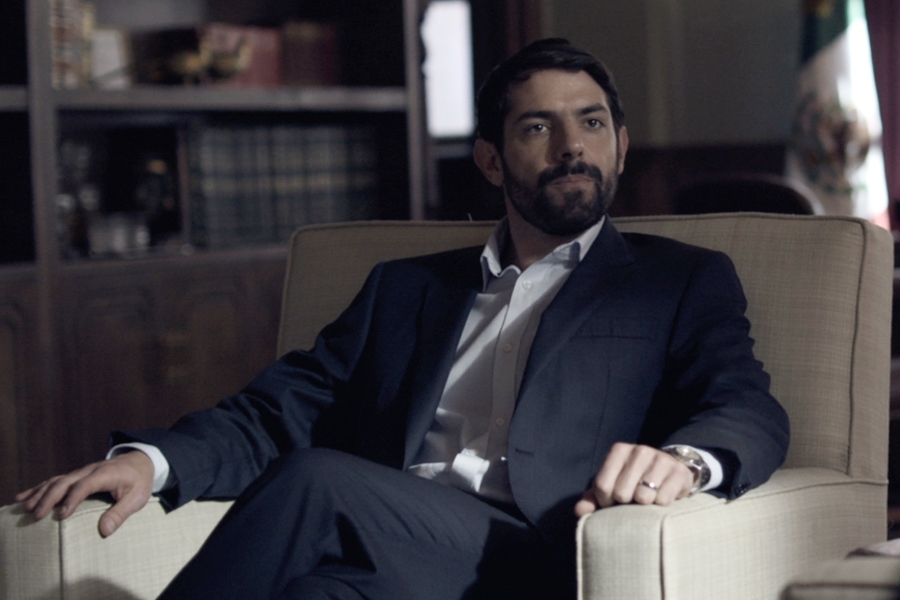
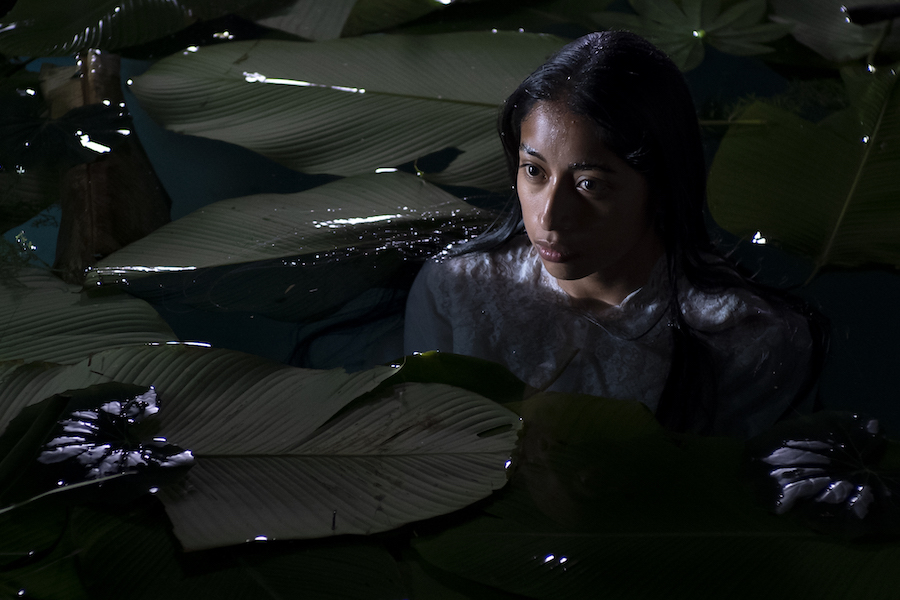
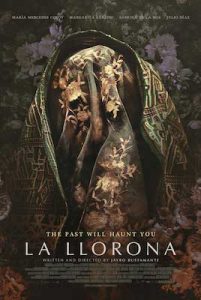 Winner of Best Film at the 2019 Venice Film Festival sidebar, Venice Days, La Llorona turns on the household of a retired general accused of spearheading the genocide of Mayan peasants decades ago, a clear reference to a similar case in Guatemala. As his wife, daughter and granddaughter take refuge with him, the house is besieged by protesters and his spooked domestic staff flees, with the exception of his devoted housekeeper. The arrival of a mysterious indigenous woman, who has answered the call for hired help, further spikes the atmosphere of dread.