




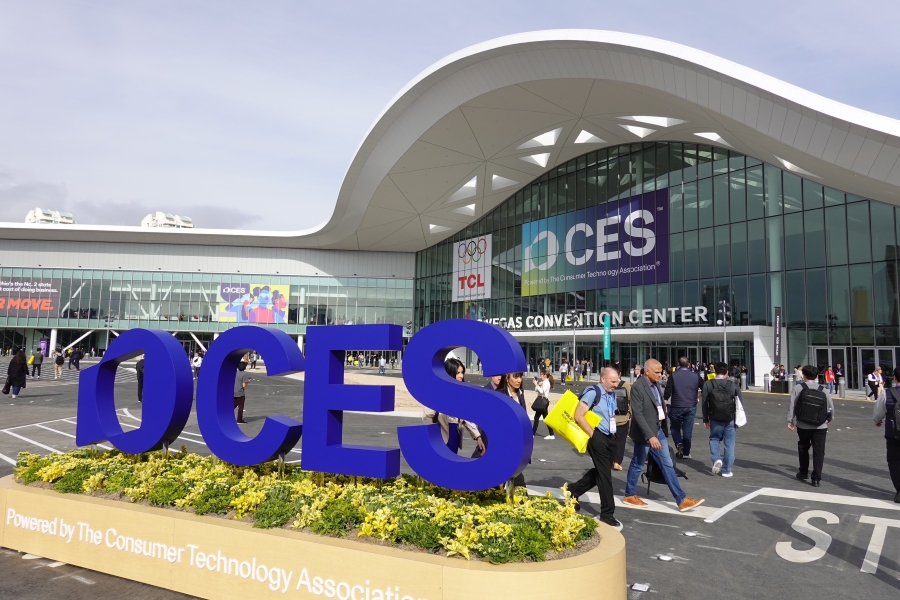
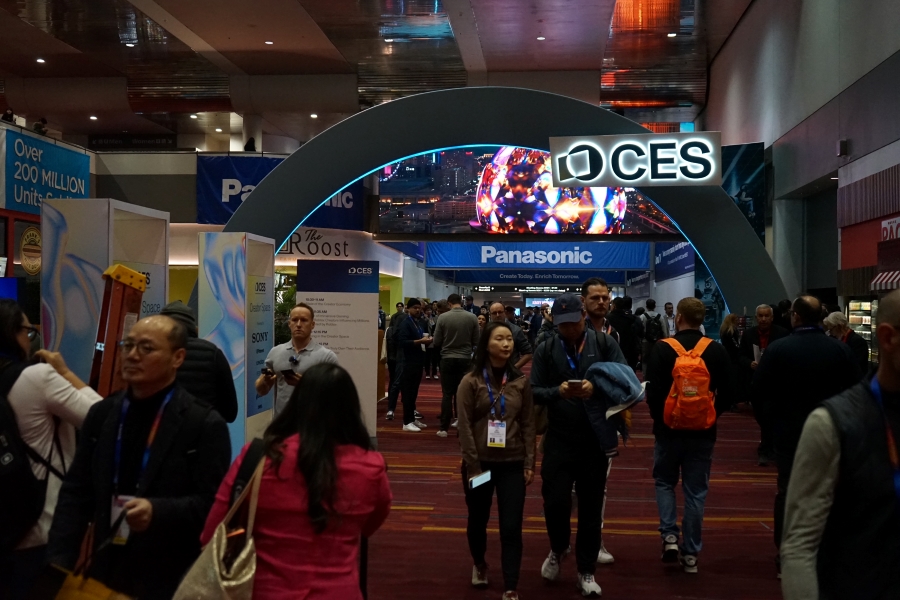
This year’s CES was easily my busiest in two decades. Not since the launch of Blu-ray Disc — and the flurry of studio announcements that surrounded CES 2006 — have I attended so many meetings, presentations, breakfasts, press conferences and off-floor briefings packed into such a short span of days. CES 2026 wasn’t just busy; it felt consequential.
Among the highlights: Dolby’s sweeping partnership with Peacock, in which the NBCUniversal streamer will embrace virtually the full suite of Dolby’s advanced picture and sound technologies, from Dolby Vision to Dolby Atmos and beyond. Lionsgate’s content deal with Xumo, which includes select Pay-1 movies — widely believed to be a first for a FAST service, and a telling sign of how quickly free ad-supported platforms are moving upstream. Xperi’s TiVo division unveiled new home-screen interface capabilities designed to help advertisers reach consumers across the entire TV experience, not just within individual apps. And at the annual OTT.X breakfast, the focus was squarely on ad-supported streaming and the enabling technologies reshaping the economics of television.
As usual, the streamers, ad-tech players and platform executives were largely holed up along the Aria–Vdara–Cosmopolitan corridor. At the Aria, the lines to the meeting-suite elevators snaked clear through The Promenade. On more than one occasion, it felt more crowded than the actual CES show floor on opening day — a reminder that the real business of CES increasingly happens behind closed doors, far from the convention center.
All of it served as a harbinger of the year ahead. Home entertainment, in all its manifestations, is on a roar. As Media Play News editor-in-chief Stephanie Prange notes in our 2026 home entertainment forecast, exciting times lie ahead — and the fireworks extend well beyond the fate of Warner Bros. Discovery or the ongoing reinvention of Paramount under David Ellison.
After a year of stabilization in 2025, the home-entertainment business is entering a new phase in 2026 defined by streaming dominance, consolidation and more-disciplined monetization. Subscription streaming — led decisively by Netflix — has emerged as Hollywood’s primary profit engine. After years of cash burn, most major services are now profitable or on a clear path to profitability, even as price hikes continue. At the same time, ad-supported tiers, FAST platforms and bundling strategies have become central to growth, retention and churn management.
YouTube, meanwhile, is rapidly becoming a true TV competitor rather than a streaming outlier. Creators are evolving into studios, and studios are learning to think more like creators. Discovery is increasingly shifting away from individual apps and toward operating-system-level aggregation and AI-driven interfaces — an area where companies such as Cineverse, with its Cinesearch technology, are pushing the industry forward by making content easier to find across platforms and business models.
FAST, once dismissed as a secondary distribution channel, has matured into a core revenue pillar. It now serves as both a primary viewing destination and a strategic front door into paid ecosystems. At the same time, transactional — both digital and physical — has sharpened its role as a premium monetization bridge in the release-window ecosystem. Ownership, catalog value and event-driven releases continue to matter, even in an increasingly flat-fee, all-you-can-watch streaming world.
CES 2026 made one thing clear: The streaming wars may be over, but the revenue wars are just beginning. And for the home-entertainment industry, that’s where the real story now lies.
Subscribe HERE to the FREE Media Play News Daily Newsletter!

 “Understanding AI Agents,” part of the CES AI Trainings program and moderated by James Poulter of Poulter Ventures, explores how agentic AI systems autonomously complete tasks, learn, and improve performance.
 Samsung’s booth, as usual one of the biggest, delivered on the theme of “AI for All” with displays for smart homes, smart healthcare and even an AI-powered management system for ships called SmartThings. TVs, however, were conspicuously absent, except for a big display of art TVs, dubbed The Frame, which use ambient light sensors to make a static screen display of paintings and photographs look like real art when the TV is not in use.
 TCL exhibited its new line of QM6K TVs, featuring TCL’s enhanced QD-Mini LED system and powered by its new Halo Control Technology Suite of hardware and processing advancements. Also at the TCL booth was the 115-inch TCL QM7K Mini-LED TV, which the company says is the world’s largest.