LAS VEGAS — CES 2026 concluded its annual four-day run Jan. 9 with the biggest buzz around practical uses of AI, the emergence of life-like robots, and streaming.
Streaming, in fact, was on everyone’s tongue, particularly in the branded “C-Space” consisting of the Aria, Vdara and Cosmopolitan hotels.
There, representatives from virtually every major streamer crowded the halls, bars, restaurants and suites, resulting in long lines at the elevators (particularly at Aria) and several takeovers, including Netflix’s occupation of the Easy’s Cocktail Lounge speakeasy at the Aria and Xumo’s immersive, branded event space called “The Xumo Experience” on the ground floor of the Vdara. There, Xumo and Lionsgate announced a new multiyear content deal that makes Xumo Play, Google TV Freeplay and Xumo-branded FAST channels the exclusive streaming home for select Lionsgate films during their Pay-1 windows.
Also holed up at C-Space were executives with Amazon Prime Video, Disney Advertising Sales, Xperi, and NBCUniversal Media (parent of Peacock), along with Meta, Reddit, Roku and X.
Xperi’s TiVo division announced new features for its home screen user interface that enable advertisers to better reach consumers across the TV screen. The new feature aims to provide advertisers with easier monetization opportunities on smart-TV screens, including full-screen video advertisements and shoppable QR codes.
Nearby, at the Dolby Live theater at the Park MGM, Dolby Laboratories and NBCUniversal announced Peacock will be the first streaming platform to embrace Dolby’s full suite of advanced picture and sound innovations. The partnership will see a gradual rollout of both Dolby Atmos and Dolby Vision — an advanced high dynamic range (HDR) video technology that enhances picture quality by optimizing brightness, contrast, and color on a scene-by-scene or even frame-by-frame basis using dynamic metadata — to Peacock’s portfolio of movies, original productions, and live sports and events.
At the Tech Trends to Watch presentation on the Sunday before the show opened, Melissa Harrison, VP of marketing and communications for CES producer the Consumer Technology Association (CTA), called out “the rise of ad-supported streaming” as a primary driver in a projected 4.2% uptick for 2026 in consumer spending on software and services.
Subscribe HERE to the FREE Media Play News Daily Newsletter!
And on opening day, Jan. 6, the OTT.X breakfast at the Stirling Club, across the street from the Las Vegas Convention Center, featured a presentation of Parks Associates’ annual State of Streaming report as well as several presentations focused on the burgeoning advertising market in ad-supported streaming. Speakers included Pieter de Zwart, director of advertising engineering for Amazon Ads, and Paul Claussen, director of strategic partnerships and business development at Comcast Technology Solutions.
Television technology, as it does every year, commanded the spotlight in the central hall of the Las Vegas Convention Center. Very evident this year across the show floor was the rise of Micro RGB display technology: an evolution of LED backlighting that uses individually controlled red, green and blue LEDs as the light source instead of standard white or blue LEDs filtered into colors. The result: significantly deeper color accuracy and brightness than traditional LED models.
What the CTA maintains is the “largest post-pandemic CES” welcomed more than 148,000 attendees from around the world, 55,000 of them from outside the United States. More than 55% of CES attendees were senior-level executives. The show also had more than 4,100 exhibitors across upwards of 2.6 million square feet of exhibit space, including some 1,200 startups.
“CES is the world’s most powerful proving ground for innovation,” said Gary Shapiro, executive chair and CEO of the CTA. “CES is more than a showcase; it’s where technology meets community, business, and policy. Global leaders, startups, and policymakers came together to highlight technologies that will define the next decade of economic growth and competitiveness.”
“The energy at CES 2026 was extraordinary,” said Kinsey Fabrizio, president of the CTA. “CES brings the global tech ecosystem together for an unmatched volume of deal-making, partnerships, and idea-sharing. The innovation unveiled this week spanning AI, quantum, mobility, robotics, health, and so much more, underscores CES as the global stage where bold ideas move from vision to reality.”
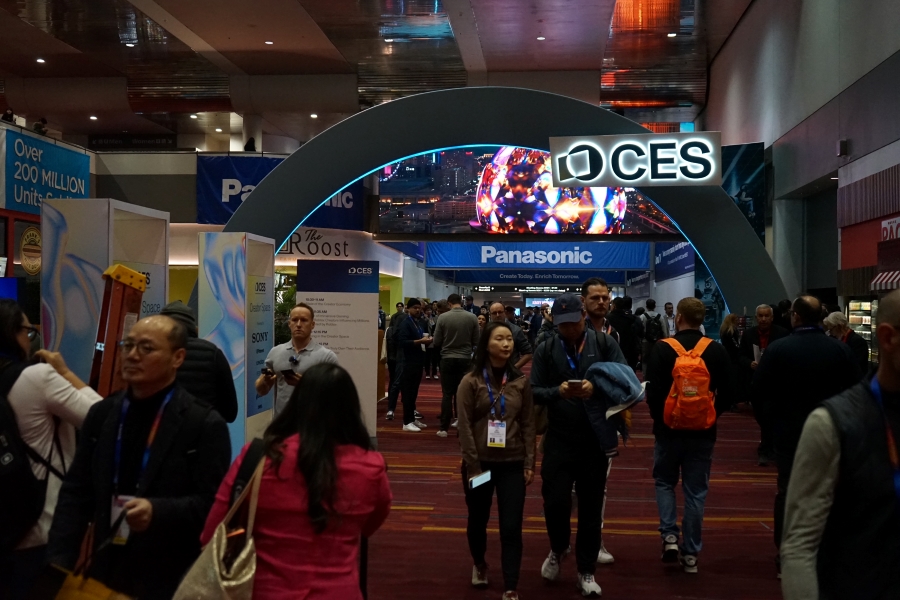
 The concourse on opening day was its usual sea of people, while the big buzz on the show floor was AI’s move from the theoretical to the practical — in everything from massive TVs to smart home tools and healthcare.
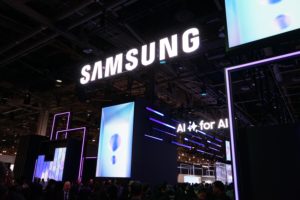 Samsung’s booth, as usual one of the biggest, delivered on the theme of “AI for All” with displays for smart homes, smart healthcare and even an AI-powered management system for ships called SmartThings. TVs, however, were conspicuously absent, except for a big display of art TVs, dubbed The Frame, which use ambient light sensors to make a static screen display of paintings and photographs look like real art when the TV is not in use.
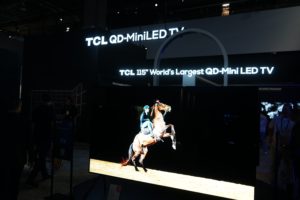 TCL exhibited its new line of QM6K TVs, featuring TCL’s enhanced QD-Mini LED system and powered by its new Halo Control Technology Suite of hardware and processing advancements. Also at the TCL booth was the 115-inch TCL QM7K Mini-LED TV, which the company says is the world’s largest.

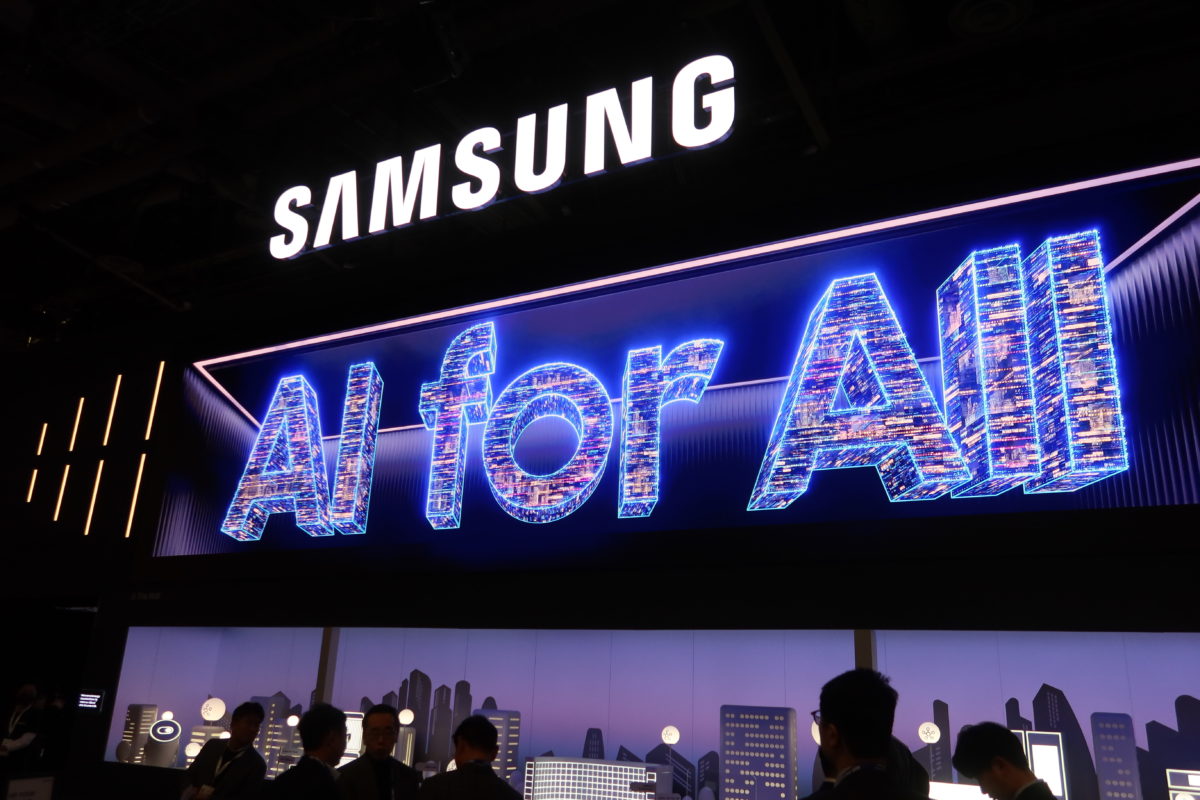
 The concourse was packed an hour before the show floor opened at 10 a.m., and walking through Central Hall that morning was a lot like moving through Times Square on a Friday night — except there was even more neon and flash.