

Ernie, Rob Tonkin's dog, resting comfortably in the hotel where they evacuated. (Photo courtesy of Rob Tonkin)



January 13, 2025


The crackle of a campfire, the comforting warmth against the cool night air — it’s a feeling I’ve cherished since childhood. But living in Topanga Canyon, nestled in the heart of the Santa Monica mountains, has taught me that fire can be both a source of comfort and a terrifying force of nature.
I’ve called this rugged paradise home for eight years, drawn to its beauty and tranquility. My home, a 1970s haven I lovingly renovated, has been my sanctuary. But living in this wildland-urban interface comes with a price — the ever-present threat of wildfires. Over the years, I’ve weathered the Woolsey Fire, a previous Palisades Fire, and the Owen Fire. Each brought its own wave of anxiety, but nothing prepared me for the intensity of the current blaze. It’s been raging for days, turning the familiar landscape into a surreal, smoke-filled war zone.
When the mandatory evacuation order came for my zone, the outpouring of support was immediate. My friend Kevin Lyman, a longtime music industry veteran and USC professor, offered me shelter. But irony of ironies, he soon found himself facing another fire threat, the Eaton Fire in Altadena. Despite this, Kevin, with his characteristic calm and leadership, stayed behind to help his community, coordinating efforts to save homes and assist those in need.
Another friend, Victor Caballero, faced his own set of challenges. As the fires raged, his family was dealing with personal loss and the devastation of a close friend’s home in Altadena. It seemed like everyone was facing some kind of hardship.
Despite having invested in fire-resistant materials and a robust fire prevention system, I ultimately decided to evacuate. The constant urging of friends and family, coupled with the sheer intensity of the fire, convinced me to leave. Now, I find myself in a temporary home, a pet-friendly hotel filled with fellow fire refugees, each with their own story of loss and uncertainty. My dog, Ernie, and cat, Cooper, are here with me, providing much-needed comfort and companionship during this difficult time.
The separation from my home and the natural environment that brings me peace has been difficult. But amidst the anxiety, I’ve been struck by something truly remarkable — the unbelievable outpouring of love and support from friends near and far. The constant check-ins, the offers of help, the messages of concern — it’s been overwhelming in the best possible way. I’ve never felt so loved and cared for in my life. It’s as if the fire, in its destructive power, has also ignited a flame of human connection, reminding me that I’m not alone in this world.
Subscribe HERE to the FREE Media Play News Daily Newsletter!
This sense of community is something that resonates deeply in Topanga. Even though we’re close to the bustling city of Los Angeles, Topanga has a small-town vibe where people come together to support each other. This spirit has been evident throughout this crisis, with neighbors sharing information, offering assistance, and checking in on one another.
One particular instance that stands out is when I helped a neighbor who was evacuating. With the fire closing in and time of the essence, I assisted them as they prepared to relocate their animals to safety. It was a chaotic scene, but seeing everyone band together brought a sense of hope amidst the fear and uncertainty.
This experience has also made me acutely aware of the impact these fires have on wildlife. Countless animals have been displaced, injured, or worse. It’s heartbreaking to think of the creatures that call these mountains home facing such devastation.
One of my neighbors, Bill Buerge, who owns a historic property in Topanga known as The Mountain Mermaid, shared his experience of the fire. His account painted a vivid picture of the fire’s impact on our community. He described how the Mermaid, once a glamorous country club and later a haven for various subcultures, became a temporary basecamp for firefighters battling the blaze.
Bill’s story highlighted the dedication and bravery of these firefighters, who worked tirelessly to protect our homes and community. He recounted how they “painted” the hillsides with water and fire retardant, and how they were “particularly concerned” about our neighborhood. He also spoke of the incredible community response, with volunteers providing food, supplies, and support to those on the front lines. He was even reassured by seasoned firefighters that “most, but not all, of the animals in a wildfire manage to get out of the way on foot, go underground, or fly away.”
But beyond the physical impact of the fire, there’s another challenge we’ve all been grappling with — the constant barrage of news and updates. In this age of instant communication, information spreads like wildfire (pun intended). My phone has been buzzing non-stop with messages from iMessage text strings, WhatsApp groups and social media.
These channels have become lifelines, providing real-time updates on everything from fire progression and evacuation orders to the location of resources like water supplies and emergency shelters. There are groups dedicated to “Looting,” “Fire Updates,” “Wellness Checks,” “Zone Information,” and even “Boots On the Ground Water Resources” to help firefighters locate and access private pools and water tanks.
This constant stream of information has been both a blessing and a curse. On the one hand, it’s been crucial for staying informed and connected with my community. But on the other hand, it’s been incredibly overwhelming to process and synthesize all this data while also dealing with the emotional stress of the situation.
For days, I felt like I was drowning in a sea of information, trying to make sense of it all while also worrying about my home, my neighbors, and the future. It was exhausting and anxiety-inducing, but it also highlighted the incredible power of community and technology in times of crisis.
Furthermore, this information overload was compounded by the constant updates from television news, Lookout Media, Watch Duty, TCEP (Topanga Community Emergency Protection), the L.A. County Fire Scanner, Windy.com, and a multitude of fire maps and live cameras operated by NASA, UC San Diego, the U.S. Department of Forestry, Cal Fire, and other resources. It was a constant barrage of information, often repetitive and sometimes conflicting, that made it difficult to discern what was truly important.
In the midst of this chaos, I found myself becoming a student of fire behavior. I pored over maps, tracking the fire’s progression and trying to understand the factors that influenced its spread. I learned about the importance of wind patterns, terrain, and fuel sources. I even became familiar with the intricacies of fire containment strategies, understanding the difference between “control lines” and “containment percentages.”
Windy.com became my go-to resource for understanding the wind patterns that were driving the fire’s behavior. I would obsessively check the site, analyzing the wind direction and speed, trying to anticipate the fire’s next move. This newfound knowledge, while empowering, also added another layer of complexity to an already stressful situation.
While Bill was generously hosting firefighters at The Mermaid, I had a firefighter of my own staying at my house. Johnny, the surfer-turned-Navy firefighter-turned-plumber who installed my Rainbird irrigation system, had stopped by to check on the property. When he realized I had internet access, he used my Wi-Fi to let me know he was there. From that point on, he camped out at my house, keeping watch over things while I was evacuated. Knowing he was there brought an immense sense of relief, allowing me to finally get some much-needed sleep. I am eternally grateful for his presence and for the kindness of strangers turned friends that emerges during these challenging times.
This fire has also underscored the ongoing insurance debacle in California. It’s become nearly impossible in many areas to even obtain wildfire insurance protection, and the few companies that still offer it are charging exorbitant premiums. This leaves many homeowners, myself included, feeling vulnerable and exposed.
This isn’t just a problem for those of us living in high-risk areas. The rising cost of wildfire insurance, and the increasing number of claims, will ultimately impact all insured individuals. It’s a systemic issue that needs to be addressed at a policy level. We need to find a way to ensure that homeowners have access to affordable and comprehensive wildfire insurance, while also ensuring the long-term viability of the insurance industry. This is a complex issue with no easy answers, but it’s one that we can no longer afford to ignore.
Another lesson learned from this fire is the vulnerability of our power grid. When power lines are shut down as a preventative measure, it can have unintended consequences. For example, many people with electric vehicles found themselves unable to charge their cars for evacuation, highlighting the need for better planning and infrastructure to support electric vehicle use during emergencies.
Amid all of this, there’s another side to this disaster that I can’t ignore — the blame game. Social media has been awash with criticism directed at everyone from local officials to firefighters. I’ve seen comments about inadequate water pressure in hydrants (“How in the fuck can California do this!”), the mayor’s absence, and even disparaging remarks about firefighters using canvas bags to carry water (“Look at these California firefighters with no hoses; they use ladies’ handbags to put out fires.”).
It’s disheartening to witness such negativity when so many are working tirelessly to protect our community. While there will undoubtedly be time for reflection and analysis after the fire is contained, I can’t help but feel that focusing on blame in the midst of this crisis is counterproductive and disrespectful to those who are risking their lives to keep us safe.
And as I reflect on all of this, my heart goes out to those who have lost loved ones or seen their homes reduced to ashes. I have learned of several people I know who have experienced this devastating loss, and my deepest sympathy goes out to them and everyone else who has been impacted by this tragedy.
This experience has been a stark reminder of the power of nature and the resilience of the human spirit. As I wait to return home, I find myself reflecting on the lessons learned and the importance of community in the face of adversity. The fire may have disrupted our lives, but it has also brought us closer together and, for me, brought new meaning to existence. Just when you think nobody will show up at your funeral, this happens — this outpouring of love and support — and it makes you realize how much you truly matter to others.
Now, as we brace for the next round of Santa Ana winds, we remain vigilant, hoping that the worst is behind us. And when the smoke finally clears, we’ll begin the long process of healing, rebuilding, and adapting to a changed landscape.
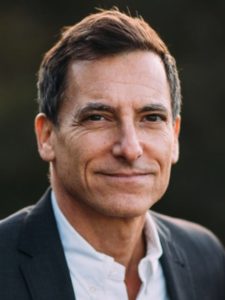
Rob Tonkin is a radio and music industry marketing veteran with a keen interest in film and media. He is a consultant, advisor and speaker and is currently working on his memoirs. He may be contacted at robtonkin@gmail.com.