




Paramount Skydance plans to combine the Paramount+ and HBO Max subscription streaming services into one platform upon closing of Paramount’s $76.9 billion ($110.9 billion enterprise value) merger with Warner Bros. Discovery.
Speaking on a special March 2 investor call, Paramount CEO David Ellison said he planned to allow the HBO brand, currently run by CEO Casey Bloys, to operate independently going forward creating content.
It wasn’t immediately clear how the two streaming services would connect, either with a separate Max tile on the Paramount platform, or something else.
“As we said, we do plan to put the two services together, which today gives us a little over 200 million direct to consumer subscribers,” Ellison said on the call. “We think that really positions us to compete with the leaders in the space.”
Ellison said he thinks that by June, Paramount will consolidate the services, including Discovery+ and Pluto TV, under a unified stack featuring more than 15,000 titles.
“To contextualize, [Paramount+ and HBO Max] is roughly the size of Disney, right? Obviously, competitive with Amazon, competitive with Netflix,” Ellison said. “So, we really do think that, that really positions us to be one of the leading competitors in the DTC space and really accelerates our growth there and achieving scale in DTC.”
SVOD market leader Netflix ended 2025 with more than 315 million global paid subscribers, while Paramount+ lost 100,000 subs in the last 90 days of the year, and Max added 3.5 million subs, ending the year with 131.5 million.
Regarding the HBO brand, Ellison said he would prefer not to disrupt the legacy platform.
“Our viewpoint is HBO should stay HBO,” he said. “They built a phenomenal brand. They are a leader in the space, and we just want them to continue doing more of it.”
Subscribe HERE to the FREE Media Play News Daily Newsletter!

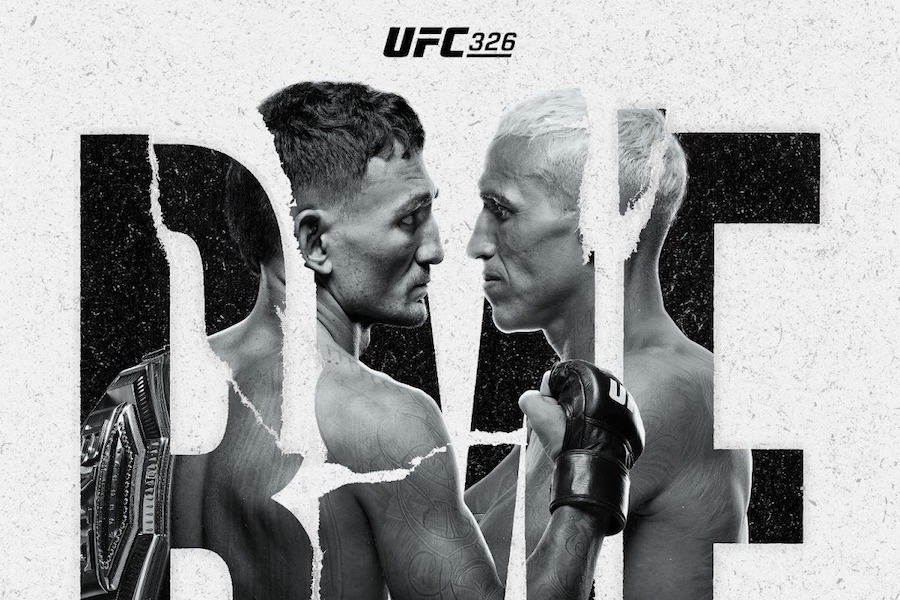
 Paramount+ will stream every bout from UFC 326 in the United States and Latin America.
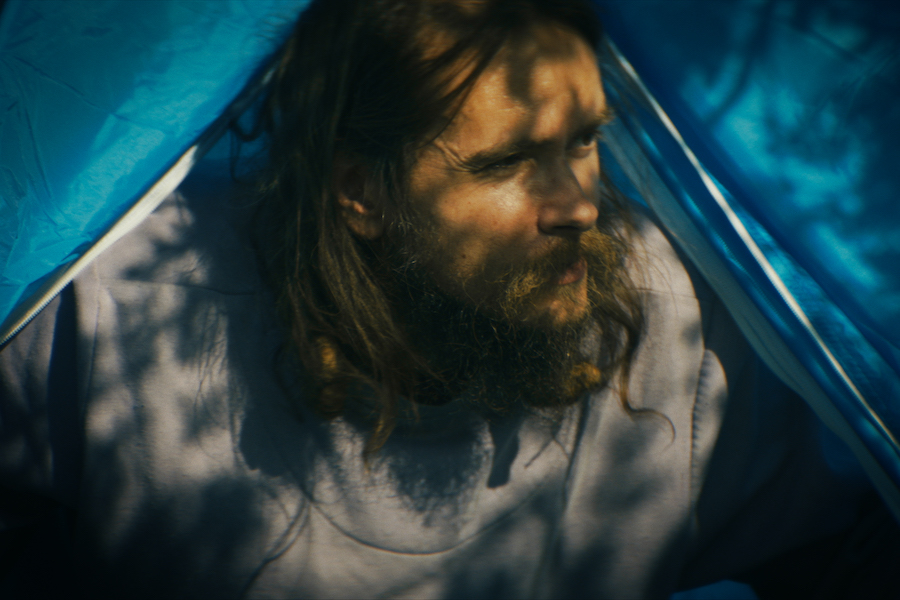
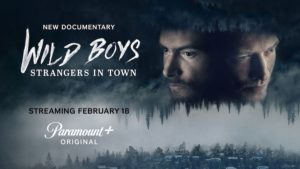 The docuseries from See It Now Studios chronicles the astonishing true story of two young brothers who emerged from the forests of British Columbia in the summer of 2003, claiming they had been raised entirely off the grid — without schools, doctors or any record of their existence. When a local mother takes them in hoping to help the brothers build a new life, a small-town obsession is ignited with journalists and authorities digging deeper and raising unsettling questions about how far people are willing to go to believe a story they want to be true.