Paramount Skydance-WBD Merger Agreement Officially Announced

Paramount Skydance Corp. and Warner Bros. Discovery Feb. 27 announced they have entered into a definitive merger agreement under which Paramount will acquire WBD.

Under the terms of the agreement, Paramount will pay $31 per share in cash for all outstanding shares of WBD in a deal valued at $110 billion. The transaction has been unanimously approved by the boards of directors of both companies and is expected to close in Q3 2026, subject to customary closing conditions, including regulatory clearances and approval by WBD shareholders, with a vote expected in the early spring of 2026, according to the companies.

In the event the transaction has not closed by Sept.30, 2026, WBD shareholders will receive a 25 cents per share “ticking fee” for each quarter (measured daily) until closing.

“Together, Paramount and WBD will deliver greater choice for consumers through its leading streaming platforms with an exceptional intellectual property portfolio that has produced popular franchises such as ‘Game of Thrones,’ ‘Mission Impossible,’ ‘Harry Potter,’ ‘Top Gun,’ the DC Universe and ‘SpongeBob SquarePants,'” read the release.

“From the very beginning, our pursuit of Warner Bros. Discovery has been guided by a clear purpose: to honor the legacy of two iconic companies while accelerating our vision of building a next-generation media and entertainment company,” David Ellison, chairman and CEO of Paramount, a Skydance Corp., said in a statement. “By bringing together these world-class studios, our complementary streaming platforms, and the extraordinary talent behind them, we will create even greater value for audiences, partners and shareholders — and we couldn’t be more excited for what’s ahead.”

“I’m very pleased with the outcome we achieved for WBD shareholders and the entertainment industry,” David Zaslav, president and CEO of Warner Bros. Discovery, said in a statement. “Our guiding principle throughout this process has been to secure a transaction that maximizes the value of our iconic assets and our century-old studio while delivering as much certainty as possible for our investors. We look forward to working with Paramount to complete this historic transaction.”

Paramount is committed to producing a minimum of 30 theatrical films annually, and to traditional windows. Every film will receive a full theatrical release, with a minimum 45-day window globally before becoming available on paid video-on-demand (VOD), with the intention of 60 to 90 days or more to maximize the audience for our most successful releases, according to Paramount. Both studios will continue to support a “vibrant third-party ecosystem” by licensing their films and shows across their own and third-party platforms, while remaining active buyers of content from third-party studios and independent producers, Paramount announced. Following its theatrical run, each film will transition to the current industry standard home video window, preserving paid video-on-demand prior to availability on subscription streaming services. Paramount will continue to adhere to specific windowing regimes in geographies it operates in, including in France where Paramount maintains its windowing commitments, the company announced.

Subscribe HERE to the FREE Media Play News Daily Newsletter!

Q&A: Alliance SVP Jeff Hayne on New Company Branding, Indie Film Marketplace

Jeff Hayne, SVP of licensing and productions at Alliance Home Entertainment, is a seasoned entertainment executive. With a background in acquisitions and a deep understanding of both physical and digital distribution, Hayne has helped shape the release strategies for thousands of titles across genres and formats. He’s known for his collaborative approach, his instinct for spotting marketable content, and his ability to navigate the ever-changing landscape of home entertainment.

At Alliance Home Entertainment, Jeff leads content acquisition with a focus on building strong partnerships and delivering results for studios and filmmakers. Media Play News asked Hayne about the new Alliance Home Entertainment shingle (which merged former company divisions Mill Creek and Distribution Solutions) and his outlook on independent filmmaking.

MPN: Tell us a little about your history in the business.

Hayne: I’ve always loved movies — growing up, I was the kid who insisted on a trip to Blockbuster every weekend, and my favorite place was the movie theater … where I got my first job as a projectionist and usher. That passion turned into a career that’s taken me from my first major acquisition (the Fil-mation Library, licensed from Entertainment Rights in the U.K.) to overseeing thousands of releases and working with some of the coolest people in the busi-ness. I’ve been lucky enough to help shape the home entertainment landscape for over 25 years, and I still get a kick out of finding that hidden gem or helping a filmmaker’s vision reach a bigger audience. My approach? Be honest, be curious, and don’t be afraid to take a chance on something different.

MPN: What’s the strategy behind combining Mill Creek and Distribution Solutions under the new Alliance Home Entertainment, and how is the division evolving?

Hayne: The acquisition of the Paramount Library was pivotal for Alliance, expanding our content portfolio and accelerating growth. To support this, we brought on new team members in key roles across operations, sales and creative services. Under the Alliance Home Entertainment banner, we’ve unified Mill Creek’s legacy of complete TV series and award-winning packaging, with Distribution Solutions’ operational excellence. With a growing focus on premium and collector-oriented formats — such as 4K Ultra HD, deluxe packaging and exclusive editions — Alliance is positioned to serve both mainstream consumers and the expanding collector market. This integration allows us to offer partners a seamless, full-service experience, while fostering a culture of collaboration and adaptability essential in today’s marketplace.

MPN: What is Alliance’s acquisition philosophy/process?

Hayne: Alliance’s acquisition philosophy centers on building long-term, mutually beneficial partnerships. We prioritize content that resonates with fans and has strong commercial potential, leveraging our deep relationships with top studios (Paramount, Disney, Sony, Universal, A24, Neon, Criterion, Lionsgate) and our expertise in collector packaging, marketing and retail execution. Our process is collaborative, data-driven, and designed to maximize exposure and profitability for our partners.

MPN: How has the independent film marketplace changed over the years?

Hayne: The independent film marketplace has become more dynamic and competitive, with digital platforms and physical media both playing vital roles. There’s greater demand for unique, collectible editions and for content that can break through in both streaming and retail channels. Festivals and conferences remain crucial for discovery, but success now requires a blend of creative marketing, strategic distribution and fan engagement.

MPN: What makes a strong independent film?

Hayne: A strong independent film is one that connects emotionally with audiences, offers a fresh perspective and demonstrates clear marketability. Films that inspire fan communities, lend themselves to collectible packaging, and perform across both digital and physical formats, are especially well-positioned for success.

MPN: What part do conferences and festivals such as AFM play in independent film today?

Hayne: Conferences and festivals like AFM are essential for networking, deal-making and discovering new voices. They provide a platform for filmmakers to showcase their work and for distributors like Alliance to identify emerging trends and acquisition opportunities. These events also foster collaboration and innovation across the industry.

MPN: What’s your advice for indie filmmakers?

Hayne: Focus on your audience — understand what makes your film unique and how it can stand out in a crowded marketplace. Build relationships with distributors early to give both of you time to execute a release strategy for your film to be positioned for both digital and physical success. Embrace opportunities for fan engagement, and don’t underestimate the value of collectible packaging and strategic marketing beyond the theatrical box office. Most importantly, tell a compelling story — and pay close attention to capturing high-quality photography of your characters and locations. Great visuals are essential for creating elevated theatrical posters and packaging art, which can make a significant difference in how your film is perceived and marketed.

Subscribe HERE to the FREE Media Play News Daily Newsletter!
Warner Bros. Discovery Announces Split-Company Names, Leadership

Warner Bros. Discovery July 28 announced corporate names and senior leadership appointments for when the company separates in mid-2026.

“Streaming & Studios,” which will be home to Warner Bros. Television, Warner Bros. Motion Picture Group, DC Studios, HBO, HBO Max and Warner Bros. Gaming Studios, as well as their film and television libraries, will be called Warner Bros.  

“Global Networks,” which will include premier entertainment, sports and news television brands around the world including CNN, TNT Sports in the U.S., Discovery, and top free-to-air channels across Europe as well as digital products such as the Discovery+ streaming service and Bleacher Report (B/R), will be called Discovery Global, in recognition of the affinity and value this name has around the world in entertainment, news and sports. The properties of Discovery Global deliver content to 1.1 billion unique viewers in 68 local languages across 200 countries and territories, according to WBD.

The leadership team at Warner Bros. includes David Zaslav, currently president and CEO of Warner Bros. Discovery, who will serve as president and CEO, as well as:

  • Pam Abdy, co-chair and CEO, Warner Bros. Motion Picture Group
  • Priya Aiyar, chief legal officer
  • Casey Bloys, chairman and CEO, HBO and HBO Max
  • Bruce Campbell, chief operating officer
  • Mike De Luca, co-chair and CEO, Warner Bros. Motion Picture Group
  • Channing Dungey, chairman and CEO, Warner Bros. TV Group
  • Robert Gibbs, chief communications and public affairs officer
  • James Gunn, co-chairman and CEO, DC Studios
  • Lori Locke, chief accounting officer (reporting to the CFO)
  • JB Perrette, CEO and president of streaming and games
  • Peter Safran, co-chairman and CEO, DC Studios
  • Avi Saxena, chief technology officer (reporting to Perrette)


“We will proudly continue the more than century-long legacy of Warner Bros. through our commitment to bringing culture-defining stories, characters and entertainment to audiences around the world,” Zaslav said in a statement. “Over the past several years, we have made important strides across the business, launching and investing in a profitable, global streaming service and reinvigorating our studios to return them again to an industry leading position. With our unmatched portfolio of storytelling IP coupled with our incredible creative partners, and now an executive team of proven, bold, and committed creative and corporate leaders, we are in a strong position to launch and continue to meaningfully grow a company worthy of our storied past.”

The leadership team at Discovery Global includes Gunnar Wiedenfels, currently CFO of Warner Bros. Discovery, who will serve as president and CEO, as well as:

  • David Duvall, chief technology officer
  • Amy Girdwood, chief people and culture officer
  • Ryan Gould, president, U.S. ad sales GTM (reporting to Zeiler)
  • Anil Jhingan, chief development officer
  • Kasia Kieli, president and MD, Poland, and CEO, TVN
  • Fernando Medin, president, international
  • Scott Miller, president, distribution (reporting to Zeiler)
  • Fulvia Nicoli, EVP, content strategy and insights (reporting to Zeiler)
  • Brian Rauch, chief accounting officer (reporting to Woodford)
  • Luis Silberwasser, chairman and CEO, TNT Sports
  • Mark Thompson, chairman and CEO, CNN Worldwide
  • Sue Underwald, chief legal officer
  • Bobby Voltaggio, president, U.S. ad sales platform monetization (reporting to Zeiler)
  • Fraser Woodford, CFO
  • Gerhard Zeiler, president, U.S., U.K. and Germany, Discovery+, and chief content officer


“As we prepare for the launch of Discovery Global, our enthusiasm for the opportunities ahead only grows thanks to our leading portfolio of beloved brands and programming, our worldwide footprint for adults, kids, and families, and now the experienced and talented leadership team who will ensure strong operational execution to drive strategic investments and deliver compelling content to global audiences,” Wiedenfels said in a statement.

Warner Bros. has begun searches for both the CFO and chief people and culture officer roles, while Discovery Global is looking to hire a chief communications and public affairs officer.

Subscribe HERE to the FREE Media Play News Daily Newsletter!
Lionsgate Revenue Down 8% in Quarter Amid 500K Subscriber Drop at Starz

Lionsgate Aug. 8 reported first-quarter fiscal 2025 revenue of $834.7 million, operating income of $18.8 million, and a net loss attributable to Lionsgate shareholders of $59.4 million.

Adjusted net income attributable to Lionsgate shareholders in the quarter that ended June 30 was $20.9 million. Adjusted OIBDA was $104.5 million. 

The revenue total was down 8% from $909 million in the first quarter of fiscal 2024. During that quarter, Lionsgate Studios launched as a separate publicly traded company, with parent company Lionsgate, officially known as Lions Gate Entertainment Corp., continuing to hold an approximately 87% stake in Lionsgate Studios. 

“We’re pleased to report a solid quarter despite unprecedented industry disruption and the aftereffects of the strikes,” said Lionsgate and Lionsgate Studios CEO Jon Feltheimer. “Our Motion Picture Group, Starz and our library performed well, though financial results in our television segment reflected a heavily backloaded year. Importantly, we generated great momentum during and after the quarter by taking a number of steps toward full separation by calendar year-end, subject to the timing of normal regulatory approvals.”

Lionsgate’s Studio Business, comprised of the Motion Picture and Television Production segments, reported revenue of $588.4 million, a 5.9% decrease from the prior-year quarter. Adjusted OIBDA of $58.3 million was down 5.5%.

Motion Picture segment revenue decreased 15% to $347.3 million while segment profit increased by 24% to $86.1 million. The year-over-year revenue decline, according to Lionsgate, “was due to the difficult comparison with the prior year’s first quarter, which included carryover theatrical revenue from John Wick: Chapter 4.” Motion Picture performance was driven by strong theatrical results from The Strangers: Chapter 1, “robust home entertainment performances” from several theatrical titles, and lower P&A spend and content amortization.

Television Production segment revenue increased 10% to $241.1 million while segment profit decreased 53% to $10.7 million. Revenue growth was driven by contributions from eOne, while segment profit growth was impacted by lingering impacts of the strike on the timing of deliveries in a heavily backloaded year, according to Lionsgate.

Media Networks North American revenue grew 1% to $345.3 million and segment profit grew 54% to $58.5 million. Revenue growth was driven by a June 2023 price increase and OTT subscriber growth, partially offset by linear declines. Segment profit growth was driven primarily by lower content amortization. North American OTT subscribers increased 5.5% to 13.2 million compared to the prior year quarter, while on a sequential basis, North American OTT subscribers decreased by 180,000. Overall North American subscribers decreased by 500,000 sequentially. Starz Aug. 7 notified its U.S. customers of a $1 rate increase to the service’s monthly cost.

Subscribe HERE to the FREE Media Play News Daily Newsletter!

Giant Worldwide Appoints Titus Bicknell Executive Chairman

Giant Worldwide, a digital studio that offers creative and technical production services for the entertainment, media and sports markets, has appointed Titus Bicknell executive chairman.

Bicknell joins Giant Worldwide with more than two decades of experience in senior leadership roles within the media and technology sectors, including roles at AMC Networks and RLJ Entertainment, where he pioneered the launch of Acorn TV, the North American streaming service for British and international television.

“I am honored to join Giant Worldwide at such a pivotal time,” Titus said in a statement. “The whole industry is changing fast: returning to full power after last year’s strikes and responding to significant changes in technology. Having worked with Giant for almost a decade, I can think of no company more suited to embrace these changes. I look forward to collaborating with the talented team at Giant Worldwide to deliver exceptional value to our clients and drive the next wave of growth and innovation.”

In his new role as executive chairman, Bicknell will support Giant Worldwide’s strategic direction, focusing on expanding its service offerings, enhancing client relationships, and exploring new market opportunities.

Subscribe HERE to the FREE Media Play News Daily Newsletter!
“We are thrilled to welcome Titus to Giant Worldwide,” Jeff Stabenau, CEO of Giant Worldwide, said in a statement. “In our next phase of management, his extensive experience and visionary leadership will be invaluable as we continue to expand our services and strengthen our position as an industry leader. I look forward to working with Titus: his passion for innovation and excellence aligns perfectly with our mission to provide unparalleled service to our clients.”

Ampere: Studios Upping Third-Party Streaming Content Licensing

Content syndication of movies and TV shows is enjoying a renaissance — not on television, but rather in the streaming video landscape — thanks to last year’s Hollywood strikes and media companies’ desire to generate incremental revenue opportunities.

New data from Ampere Analysis shows that, after years of major studios employing a walled-garden approach to the distribution of their TV content on streaming, third-party licensing is making a comeback. London-based Ampere found that the number of TV seasons cross-licensed between Netflix and Warner Bros. Discovery’s Max and Discovery+ more than tripled in 2023. Amazon’s overlap with studios’ streaming services also grew significantly.

The analysis focuses on the characteristics of studio TV titles licensed in recent major deals including agreements between NBCUniversal, Disney, WBD and Netflix.

Separately, Sony Pictures and Universal Pictures have aggressively licensed major theatrical releases to third-party streamers, led by Netflix.

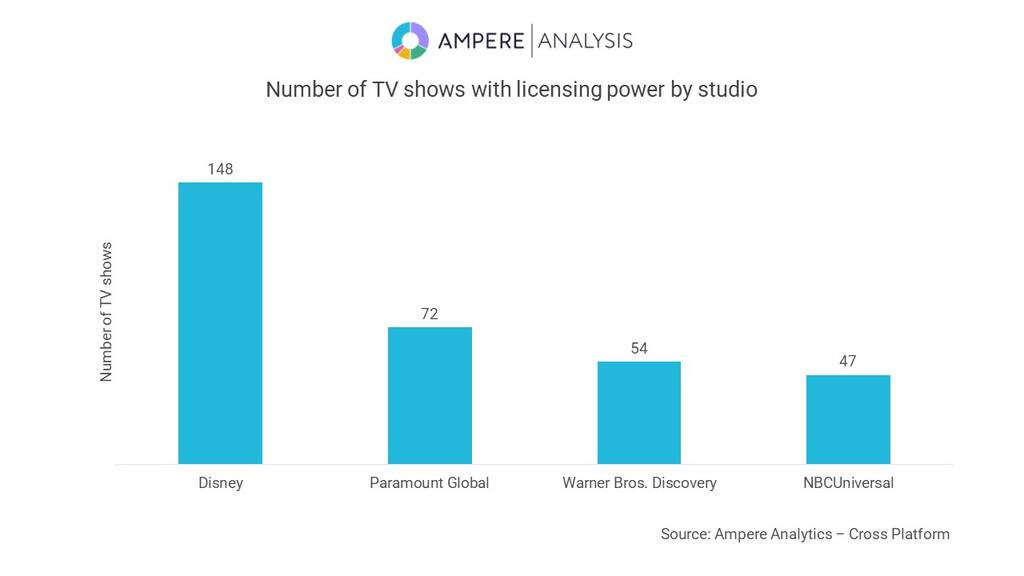
Ampere contends that Disney holds the most TV titles with licensing power, owning 148 that were still exclusive to its own streaming services as of December 2023 — a potential licensing cache more than double the size of any other major Hollywood studio.

Across all four major studios’ titles with licensing power, the comedy genre is the most common, accounting for 25% of titles. This is driven by U.S. audiences’ continued interest in a host of locally produced long-running sitcoms, including “The Office,” “The Golden Girls,” “Friends,” “Seinfeld,” and more recently “Brooklyn Nine-Nine.”

The volume of catalog episodes of these shows can keep streaming subscribers engaged longer, making them a valuable retention tool. This is particularly the case as churning and re-subscribing to subscription services is becoming an increasingly common behavior. They are also effective in generating revenue for growing ad-supported tiers.

Among the major studios, 32% of Disney’s catalog TV shows are children’s and family content, led by “Malcolm in the Middle” and “Hannah Montana.”

Not all TV shows with licensing power will necessarily be cross-licensed. Six of the 20 most popular titles in Paramount Global’s content vault are in the “Star Trek” franchise. Studios have been reluctant to give up exclusivity for major franchises as they built their streaming services. But that mindset is changing. WBD’s 2023 license deals included DC-adapted content to Amazon, Netflix and Fox-owned ad-supported platform Tubi.

Subscribe HERE to the FREE Media Play News Daily Newsletter!
 

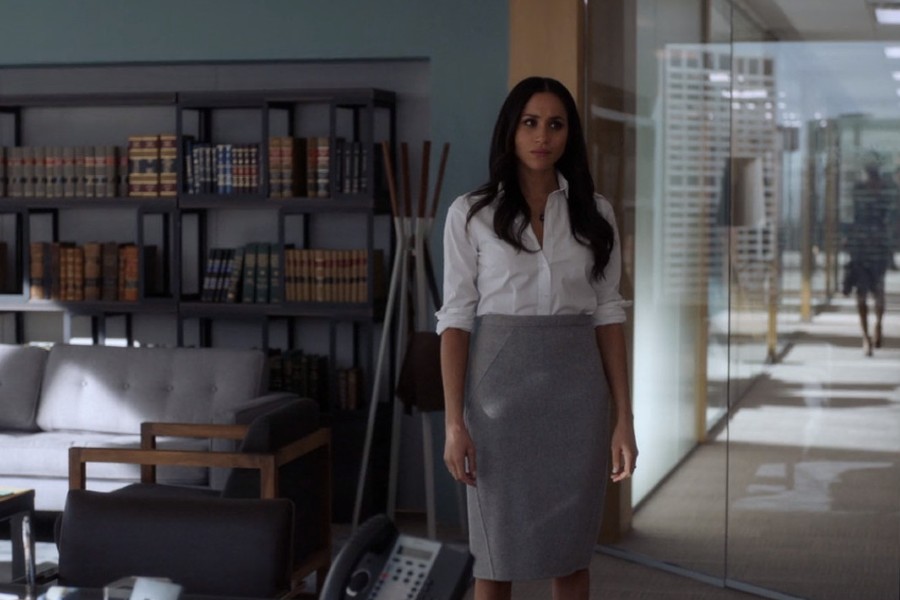
Among high-profile third party content licensing, no title enjoyed the spotlight more in 2023 than former USA Networks legal drama “Suits,” which found renewed popularity on Max and Netflix. The show, co-starring Meghan Markle before she quit acting to marry Prince Harry, set a record atop Nielsen’s weekly top 10 most-streamed content across household TVs.

Indeed, the two male leads of the show (Gabriel Macht and Patrick Adams) had their own Super Bowl LVIII ad underscoring the show’s renewed popularity.

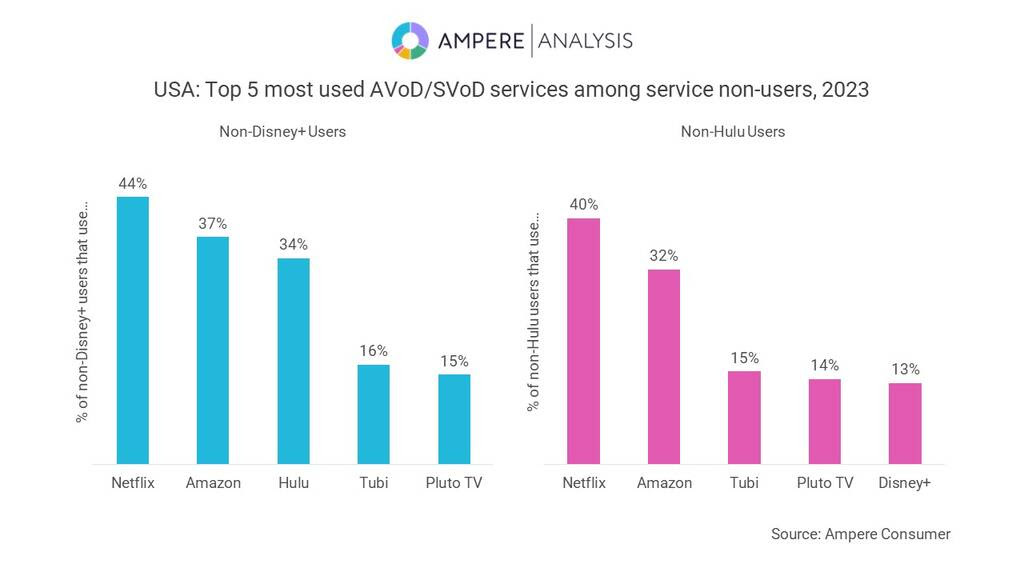
Ampere found that 44% of viewers who did not watch Disney+ in the previous month did watch Netflix, making it the most used platform, followed by Amazon and Hulu. These three platforms also top the list among viewers who did not watch other major streamers, including Discovery+, Max, Paramount+ and Peacock.

However, ad-supported platforms Tubi and Pluto TV follow Netflix, Amazon and Hulu as the most watched streaming services among viewers who did not watch Disney+. At 16% for Tubi and 15% for Pluto TV, this puts them ahead of Max, Paramount+ and Peacock.

The prominence of AVOD services extends to other major SVOD platforms as well. Cross-licensing among platforms is more likely to skew towards unscripted content. Almost 30% of the TV seasons shared between major studio backed SVOD platforms are unscripted, which increases to 46% among ad-supports platforms.

More importantly, unscripted titles licensed to AVOD services are more likely to be non-exclusive. Of the unscripted TV seasons, 55% appear on two or more major AVOD services, compared to just 36% of scripted titles, according to Ampere.

“We expect more licensing deals for high-profile titles to be struck in 2024,” Rahul Patel, research manager at Ampere, said in a statement.

The analyst said content licensing to third parties can expand the audience for existing assets, extend shelf life and at the more successful end of the scale, inspire franchise expansion.

“This was the case with ‘Suits’ spin-off series following its success on Netflix and Max,” Patel said. “Such an approach is particularly beneficial in the current climate when commissioners are being increasingly cautious with their content spend.”

Actors Set to Join Writers in Strike Against Studios, Streamers

The Screen Actors Guild (SAG) and American Federation of Television and Radio Artists (AFTRA), the union representing about 160,000 actors in Hollywood, is recommending its board call a strike against the Alliance of Motion Picture and Television Producers (AMPTP), the entity that represents major studios and streamers, including Amazon Studios, Apple, Disney, NBCUniversal, Netflix, Paramount Pictures, Sony Pictures and Warner Bros. Discovery, among others.

Following the expiration of the Producers-SAG-AFTRA TV/Theatrical/Streaming Contracts at 11:59 p.m. PT on July 12, the actors’ union alleges that after more than four weeks of bargaining, the studios have been unwilling to negotiate for higher compensation, better benefits and safeguards against the use of artificial intelligence (AI), among other issues.

While AMPTP has issued no press statement on the current labor situation, major studios and content producers have made no secret their desire to reign in operating costs — spearheaded by Disney’s recent decision to cut 7,000 jobs and $5 billion in costs. Public media companies, in fiscal reports, have pointed to a sluggish post-pandemic box office, burgeoning streaming losses and changes in the way people consume entertainment, for re-assessing their operating budgets.

On a July 13 appearance on CNBC’s “Squawk Box” (from the annual media mogul retreat in Sun Valley, Idaho) Disney CEO Bob Iger said both the writers and actors unions were being unrealistic in their contract demands.

“It’s very disturbing to me,” Iger told CNBC’s David Faber. “We’ve talked about disruptive forces on this business and all the challenges we’re facing, the recovery from COVID, which is ongoing, it’s not completely back. This is the worst time in the world to add to that disruption.”

While Iger agrees that the unions representing writers and actors should negotiate to the benefit of their members, he said the industry recently signed (on June 23) a “fair deal” with the Directors Guild of America that he contends valued their work appropriately. Iger would like to do the same with writers and actors — within fiscal reality.

“There’s a level of expectation that they have, that is just not realistic,” he said. “And they are adding to the set of the challenges that this business is already facing that is, quite frankly, very disruptive.”

A strike would be the first involving both writers (who went on strike two months ago) and actors in Hollywood since 1960.

Duncan Crabtree-Ireland, chief negotiator for the actors, said the studios and streamers have implemented “massive” unilateral changes in the industry’s business model, while at the same time insisting on keeping compensation contracts unchanged.

“That’s not how you treat a valued, respected partner and essential contributor,” Crabtree-Ireland said in a statement.

He contends that the studios’ refusal to engage in the discussions regarding the actors’ key proposals and the “fundamental” disrespect they have shown towards working actors (not headline stars) prompts a strike.

“The studios and streamers have underestimated our members’ resolve, as they are about to fully discover,” said Crabtree-Ireland.

The union will hold a press conference today (July 13), at noon PT at SAG-AFTRA Plaza in Los Angeles, following the conclusion of the National Board vote.

Donna Langley Upped to Head NBCUniversal Studio Group as Comcast President Mike Cavanagh Streamlines Senior Management

Donna Langley, chairman of Universal Filmed Entertainment Group, has been promoted to chairman of NBCUniversal Studio Group and chief content officer, overseeing all content decisions across movies, TV production and streaming (i.e., Peacock).

Langley’s promotion comes as Mike Cavanagh, president of Comcast and interim CEO of NBCUniversal, streamlines senior management, the longtime executive’s first major executive changes since assuming the chief executive job at NBCUniversal following the abrupt April resignation of Jeff Shell due to an inappropriate workplace relationship.

Donna Langley

In a July 6 staff memo, Cavanagh disclosed that NBCUniversal would be split into four business units, with Langley heading the Studio Group, and Mark Lazarus running the NBCUniversal Media Group, which includes streaming. Cesar Conde remains as head of the NBCU News Group, while the Universal Destinations and Experiences Group will be overseen by current theme parks chief executive Mark Woodbury.

Cavanagh did not name a new CEO for NBCUniversal, suggesting he will continue in the position. Matt Strauss, president of direct-to-consumer and international, will continue to run daily operations at Peacock, reporting to Lazarus and Langley.

In the memo, Cavanagh said Langley would be in charge of Universal Filmed Entertainment Group (Universal Pictures, Focus Features, DreamWorks Animation) and Universal Studio Group (Universal Television, Universal Content Productions, Universal Television Alternative Studios, Universal International Studios).

“Donna has been shaping the cultural conversation and creating the framework for what a modern-day studio can accomplish through bold content, impactful marketing and business model innovation,” Cavanagh wrote. “She will leverage her longstanding relationships with the creative community and ability to partner with the most prolific storytellers in our business to unlock a seamless cross-portfolio creative strategy.”

Cavanagh said NBCUniversal currently has 108 active TV series currently airing or streaming globally, and is “consistently responsible” for 50% of the top 10 broadcast series and several No. 1 streaming series across multiple platforms.

Subscribe HERE to the FREE Media Play News Daily Newsletter!
Frances Berwick has been upped to chairman of NBCUniversal Entertainment, reporting to Lazarus and Langley. In addition, four new corporate leaders include Kimberley Harris, Anand Kini, Adam Miller and Craig Robinson. Susan Rover, president of TV content and streaming, is leaving the company after the transition has been completed.

“We appreciate all of Susan’s valuable contributions and thank her for all she’s done during her time at NBCU,” Cavanagh wrote in the memo.

Streaming a ‘Dagger’ in Heart of Studio Assets

For a solid month, the 2023 projection of new theatrical releases bounced between 501 and 502.  Two weeks ago, the number rose to 510, as the projected number of new theatrical releases for 2023.  

Ralph Tribbey

Last week it was 511 … and this week it is 510. At least it is holding steady.

Ditto for the number of top box office films ($25 million plus; $100 million plus), which held at 64 for the third week in a row.

The Super Mario Bros. Movie (Universal Pictures) continues to roar at the box office with $436 million in domestic ticket sales, which looks right now as an easy climb to the half-billion-dollar mark when all is said and done. The only new candidate for the “top-box” arena is writer-director Lee Cronin’s creep-out horror tale, Evil Dead Rise (Warner Bros.), which pulled in $24.5 during its opening week (it will easily push past the $25 million level).

On the transition front from theatrical venues to the home entertainment packaged-media marketplace, Paramount Home Entertainment’s Dungeons & Dragons: Honor Among Thieves got a lightning-quick move to a May 30 disc release slot — that’s a theatrical-to-home window of just 60 days.

The status for filmmaker James Cameron’s Avatar: The Way of Water remains in limbo.  We’ve speculated — and it is only speculation — that Disney is delaying the release until the latest round of layoffs (industry trades are throwing around 4,000 as the number) have taken place and the dust has settled.  

That aside, it doesn’t help restore the health of the theatrical marketplace when the studio — yes, Walt Disney Studios — takes writer-director David Lowery’s mega-budget film ($150 million-plus) adaptation of the J.M. Barrie classic, Peter Pan & Wendy, and bypasses theaters for Disney+ streaming. To add insult to injury, it was — of course — immediately offered for sale on Blu-ray Disc by one of Mickey Mouse’s “helpers.”  More will certainly follow in the days ahead.

Walt Disney Studios will be reporting earnings on May 10. It will be interesting to see how much red ink is attributed to the current streaming obsession.  

Of note, Universal/Comcast was the first of the season and they are projecting to lose $250 million per month for the balance of the year.   Paramount and Warner Bros. Discovery are back-to-back next week on reporting quarterly earnings.  Last year, these historic “Hollywood” studios averaged $800 million per month in losses attributed to streaming.

How can you possibly justify bypassing theaters for a direct-to-video launch of Peter Pan & Wendy with a production budget north of $150 million?     

Ditto for the $40 million or so production budget associated with director Dexter Fletcher’s Ghosted?  This Apple Studios/Skydance production starring Chris Evans, Ana de Armas and Adrien Brody launched this past week on Apple TV+ and was immediately released on Blu-ray from several “helper”/”void-filler” — polite words for “pirate” — sites.  

Apple TV+ still hasn’t released the Best Picture-winner for 2021, writer/director Sian Heder’s CODA, on DVD, Blu-ray or 4K Ultra HD, but plenty of Apple TV+ “helpers” have gladly stepped up to fill the void.

The industry’s inattentive monitoring of what is happening with their film and series production assets is not limited by any stretch of the imagination to the high-profile theatrical release candidates.  

Amazon Studios, with production partner Morgan Creek, got hit for the mini-series “Dead Ringers” from more than one “helper” on Blu-ray; Hallmark got hit seven times, plus producing partners Larry Levinson Productions and Johnson Production Group got hit for five more (if you are counting, that’s 12 Hallmark films in one week); Netflix got whacked for a half-dozen series; and Paramount’s Scream VI had its first “helper” attack within hours of being streamed on Paramount+.

We could go on about theatrical catalog and all the little “helpers” on that side of the street, but that ship has sailed.  Those vast film libraries that were built from the 1930s to the launch of DVD in 1997 (the cut-off point for theatrical catalog and new theatrical) by the various “Hollywood” studios are now all in the public domain — when you don’t monitor and enforce your copyrights that’s exactly what happens.  

Sure, they still think they have copyright protection, but that’s an illusion that is not supported by the helter-skelter release activity taking place in the DVD marketplace these days.  

To that point, through the first four months of 2023, 3,978 theatrical catalog releases (sound era through 1996) arrived on DVD.  That tracks for a total of 12,000 new product offerings in that category alone for 2023 … the average pre-pandemic count was roughly 1,600 titles per year.

New theatrical launches are stuck in limbo — still nowhere near pre-pandemic levels. Mega-budget films that could change that dynamic go direct to streaming. And priceless studios assets — in the form of theatrical libraries — are sacked at a pace that would make a Visigoth blush.

Streaming has been nothing less than a dagger in the heart of studio assets. When will someone wake up and see the damage that has been done and take steps to correct it?

Ralph Tribbey is the publisher of The DVD & Blu-ray Release Report, a weekly newsletter that tracks physical media. Tribbey began his long career in entertainment in theatrical exhibition and later rose to VP of marketing for MGM Home Video. 

Gravitas Ventures Hires Danielle Gasher as Senior Director of Acquisitions

Gravitas Ventures, an Anthem Sports and Entertainment company, has hired Danielle Gasher as senior director of acquisitions.

Gasher will report to CEO Nolan Gallagher and will co-lead the acquisitions department with Bill Guentzler. Gasher and Guentzler will identify titles for the Gravitas Premiere label and ongoing slate of more than 250 films a year.

Danielle Gasher

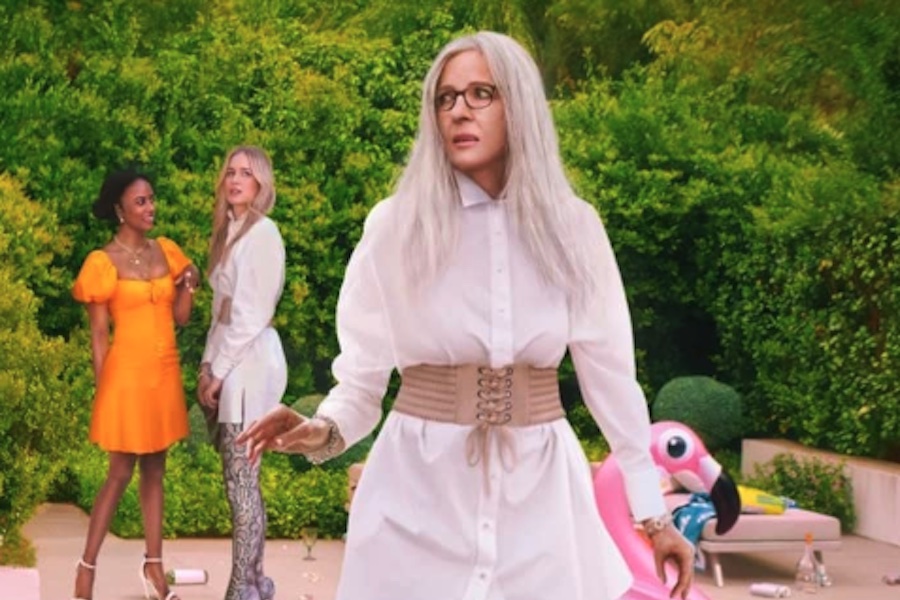
The Gravitas Premiere label will release approximately four cast-driven, high production value films per year and release them wide theatrically with significant marketing support. The first title under the Premiere label, Mack & Rita starring Diane Keaton and directed by Katie Aselton, debuted exclusively in more than 1,500 theaters in the United States and Canada on Aug. 12.  

Before joining Gravitas, Gasher held the role of VP of International Sales at Voltage Pictures. While at Voltage, Gasher reported directly to president and COO Jonathan Deckter. She worked across various cast driven titles including Last Seen Alive, starring Gerard Butler and Jaimie Alexander; The Yacht, starring Frank Grillo, Ruby Rose and Patrick Schwarzenegger; and Per Tutta La Vita (For All Life) from the producers of Perfect Strangers, one of the most remade films of all time. While at Voltage, Screen International recognized Gasher in “Future Leaders 2021: Sales and Acquisitions Executives to Watch.”

Subscribe HERE to the FREE Media Play News Daily Newsletter!

“I couldn’t be more thrilled to join a team as innovative, reputable and entrepreneurial as Gravitas,” Gasher said in a statement. “I look forward to bringing my years of sales experience to the acquisition side of the business, especially during such an exciting time for Gravitas with the recent launch of its theatrical label, Gravitas Premiere.”

“We are excited to add such a well rounded, well liked and results oriented executive as Danielle Gasher,” Gallagher, founder and CEO of Gravitas, said in a statement. “As a global distributor her expertise and relationships will be essential in our mission to find new audiences for our filmmakers.”

Prior to joining Voltage, Gasher worked on the sales team at the Canadian sales and production outfit Double Dutch International, where she worked across various territories and sold titles such as The Doorman, starring Ruby Rose and Jean Reno; The Virtuoso, with Anthony Hopkins, Anson Mount and Abbie Cornish; and Sometimes Always Never, with Bill Nighy, Sam Riley and Alice Lowe.

From Around the Web