New crackdowns by streaming services on subscribers sharing their password with non-subs appears to be working. New data from Hub Entertainment Research found that the practice declined more than 10% among major services in the first quarter (ended March 31).
According to Hub’s TV Churn Tracker, 25% of TV viewers admit to using an SVOD service with someone else’s credentials.
Netflix was the first major streamer to crack down on password sharing last year and Hulu’s password crackdown began in March. Soon to follow will be Max, expected to begin its enforcement this fall, with Disney starting this month.
Among the platforms, Netflix saw password sharing decline 18.2%, followed by 17% among Hulu + Live TV and Max users, 12.5% for YouTube TV, 12% among Disney+ users, and 9.4% among Hulu subs.
Notably, password sharing increased 14.2% among Prime Video users.
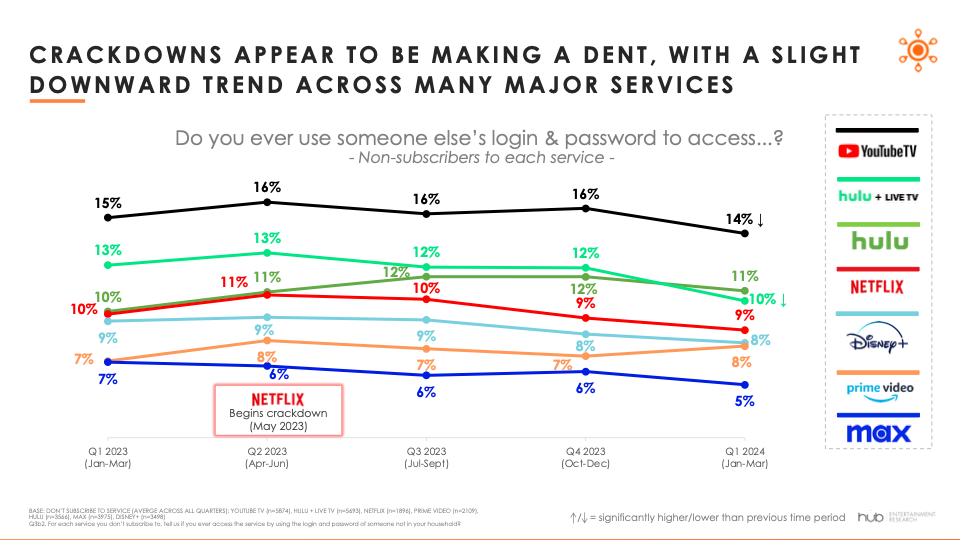
With major SVODs outside of Netflix slowly turning the page from losing hundreds of millions of dollars each year, password enforcement appears to be working in the short term. The important question is whether or not password-sharing crackdowns will have a long-term effect on streamers’ subscription rates, according to Hub. Will consumers be driven to sign up for their own subscriptions if they can no longer piggyback on someone else’s, and if they do, how loyal will they be to the platform?
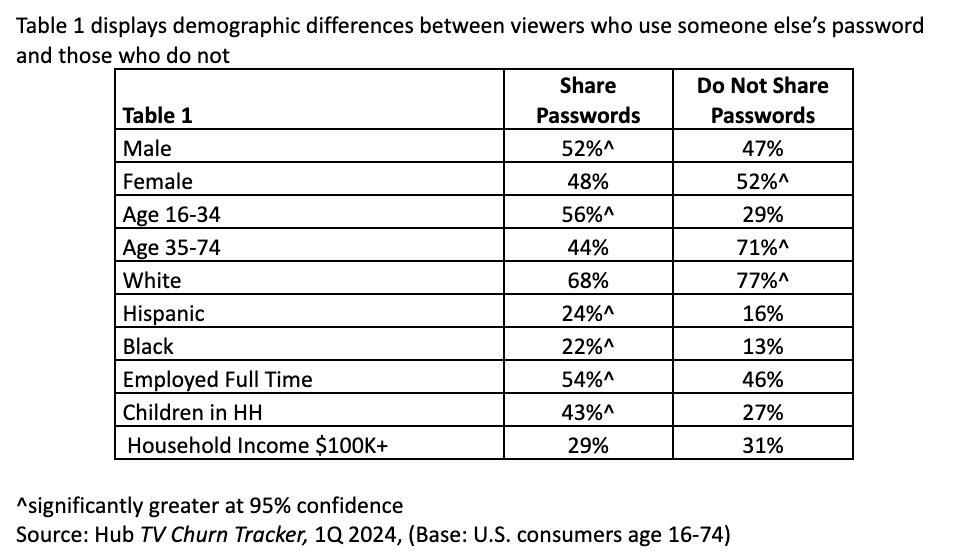
Hub found that viewers who use others’ passwords are more likely to be younger, non-white and have children. As noted in previous Hub reports, the sharers’ demographic profile suggest they are viewers who care a lot about TV, and avail themselves of a number of sources.
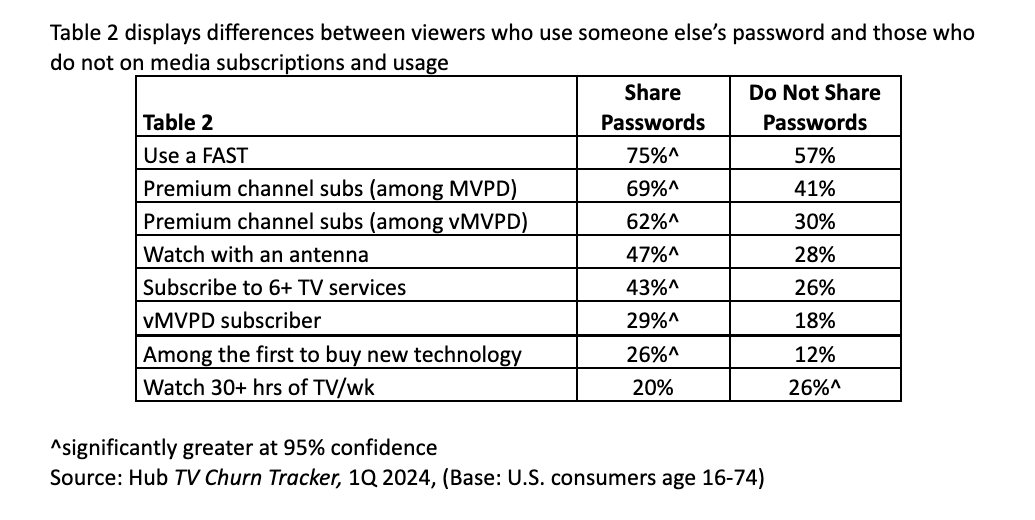
Notably, password sharers actually pay for a lot of their own subscriptions — including six or more services. It’s a mistake to assume people who use another’s SVOD password do it because they are reluctant to pay for TV. And among legacy and online pay-TV subscribers, the password sharers are also much heavier users of premium cable channels. In fact, they are heavier users of nearly all sources of TV, both paid and free, compared to those who do not share passwords. according to Hub.
While password sharers are heavy consumers of television, they are three times more likely to add or cancel services in a typical month, compared with those who do not share. And there’s strong evidence the password sharers are “serial churners” — with 67% returning to a service they subscribed to in the past.
Among password sharers, content and cost are the drivers of additions and cancellations. The top reasons for password sharing consumers to add a TV service are specific content, as well as amount of content. But subscription costs were cited nearly as often as a driver of sign-ups, according to Hub.
The research company contends that the gains from cracking down on password sharing will be incremental, not substantial. The challenge is whether the password sharers are serial subscription churners — young consumers who have a lot of TV subscriptions already, and are looking for value.
“So when they do subscribe to a service, it’s likely they won’t stay with it very long,” read the report.
Hub believes that password sharers are maxed out on their TV spending, and adding a service means dropping another one to do so. The one bright spot for the streamers is most of these consumers return to services they have canceled, if the content attracts them.
“With SVODs under pressure to deliver profitability and manage production costs, password enforcement is an imperative, even if it delivers only incremental revenue,” read the report.
Subscribe HERE to the FREE Media Play News Daily Newsletter!








 The 10-episode second season of “Monarch: Legacy of Monsters” will premiere on Feb. 27 with one episode airing every Friday until May 1.
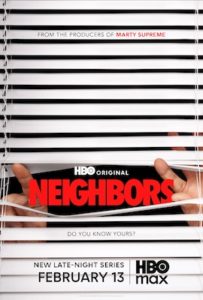 The HBO Original series “Neighbors” will debut on HBO and HBO Max on Feb. 13.
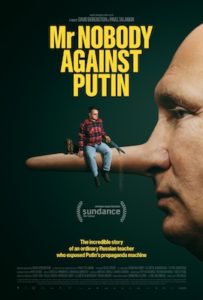 The documentary chronicles the story of Pasha Talankin, a Russian primary school teacher who offers students a safe haven in his office. After Russia invades Ukraine, Pasha’s role in the school changes dramatically as he is reluctantly drawn into Putin’s propaganda machine. Forced to promote state-sanctioned messages, he struggles with guilt and a sense of powerlessness. As the school’s videographer, Pasha documents intimate and revealing footage of Putin’s regime, capturing the rise of militarized children’s groups and fervent nationalism. When he learns his own life may be at risk, Talankin is forced to plan a dangerous escape from Russia.
 Season two of the British comedy series “Dreaming Whilst Black” will launch Feb. 20 on Paramount+.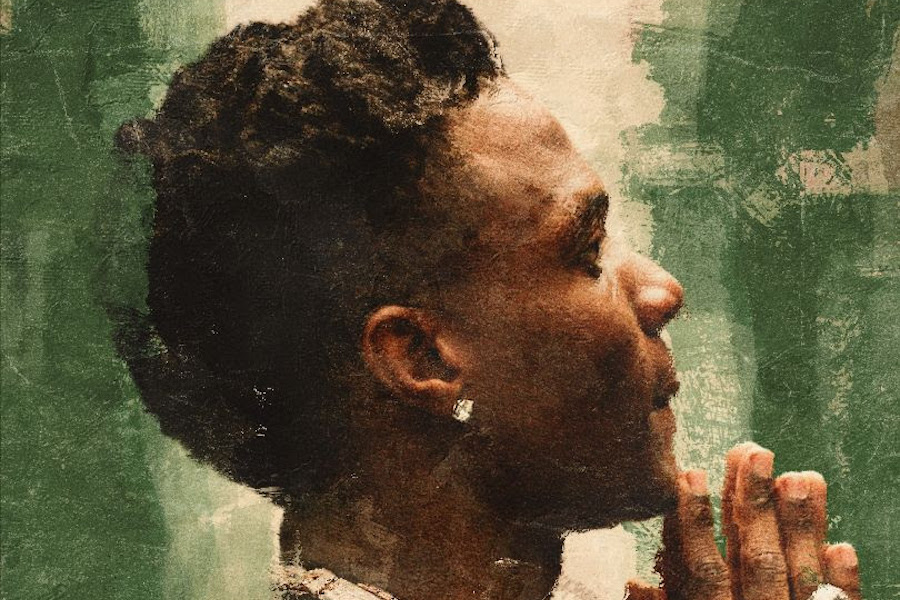
 The newest installment in the HBO “Music Box” documentary series, Wizkid: Long Live Lagos chronicles the story of Nigerian Afrobeats superstar Wizkid as he prepares for a concert at Tottenham Hotspur Stadium in London. The documentary tracks his rise from humble beginnings in Lagos, Nigeria, to becoming the most commercially successful African musician in music history. The documentary blends interviews, live performances and commentary from Nigerian stars such as Femi Kuti.
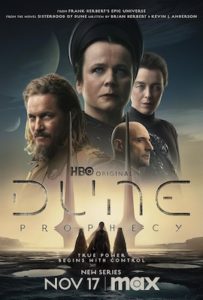 HBO has announced the start of production on an eight-episode second season of its original drama series “Dune: Prophecy.” Filming is taking place in Hungary, Jordan,\ and Spain.