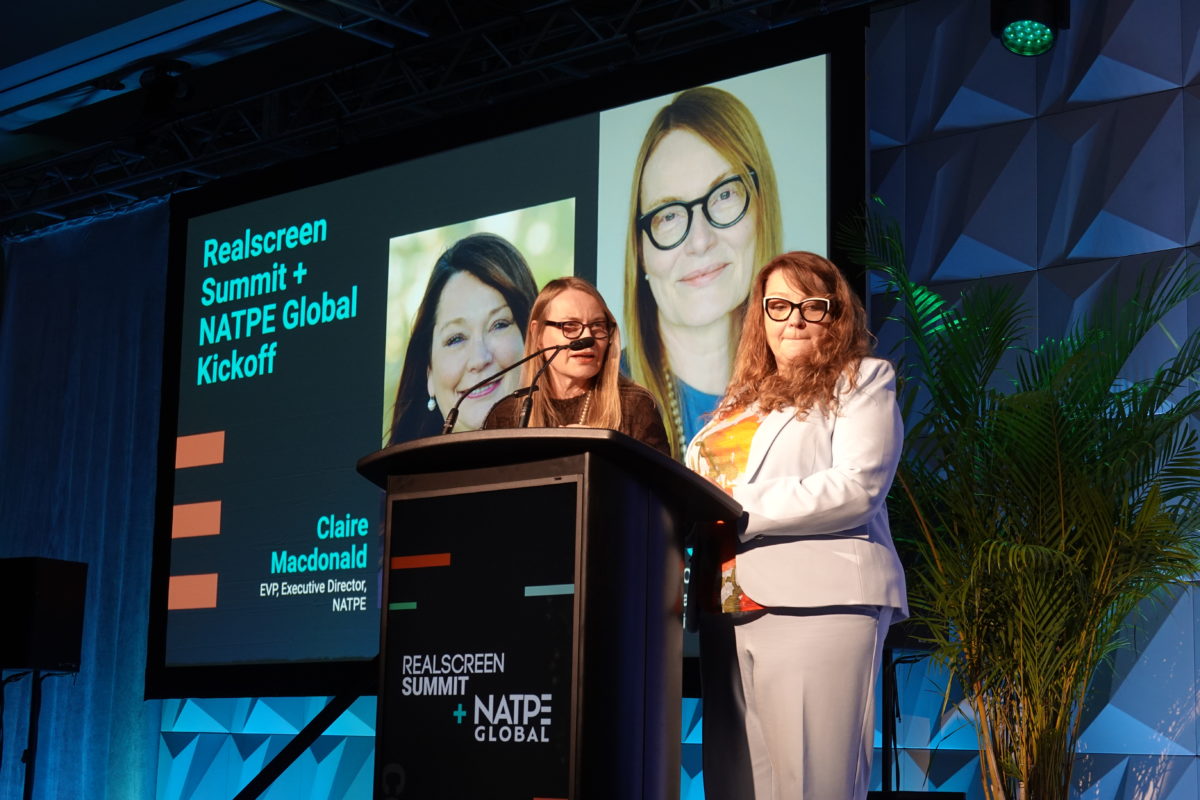
MIAMI — The 2026 edition of NATPE Global, co-located with the Realscreen Summit in Miami the first week in February, made clear that old boundaries are dissolving — between creators and legacy media, between traditional distribution and digital innovation. Delegates from across the production and distribution ecosystem upped the intensity of conversation from deal talk to strategic realignment, with a sharply pragmatic undertone reflecting an industry in transition.
The two events brought three major currents into focus: the growing influence of creator-led brands and platforms; the real-world use of AI to reshape production economics; and the ongoing search for sustainable distribution models across an increasingly fragmented marketplace.
Speakers on a panel on converging platforms said creators, brands and social platforms are converging with studios, streamers and broadcasters to change the way content is financed, produced, packaged and distributed.
“It feels like every day is new,” said Kim Larson, global managing director and head of creators at YouTube. “Every day something’s different, and we’re learning. I’ll tell you, some things are pretty constant when we think about audience behavior, and that is how passionate fans build community in a way that I don’t think everybody’s figured out how to financially unlock yet.”
As an example, Larson pointed to creator Markiplier, whose real name is Mark Fischbach.
“He had a passion project called Iron Lung,” Larson said. “It is a movie he made and self-financed. He spent $3 million on it. He literally went to these theaters and said, ‘Hey, will you show it for me?’ And his community, his installed base of 38 million followers, stepped up. He got in 4,000 theaters with a $21 million opening box office. Nobody thought that was possible. And I think that people are waking up to the power and the financial opportunity that comes with the community.”
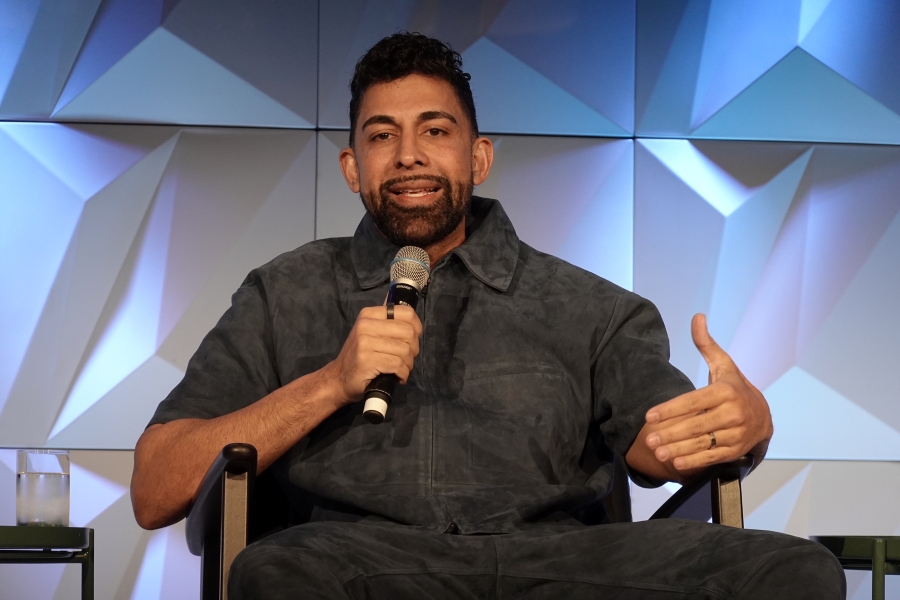
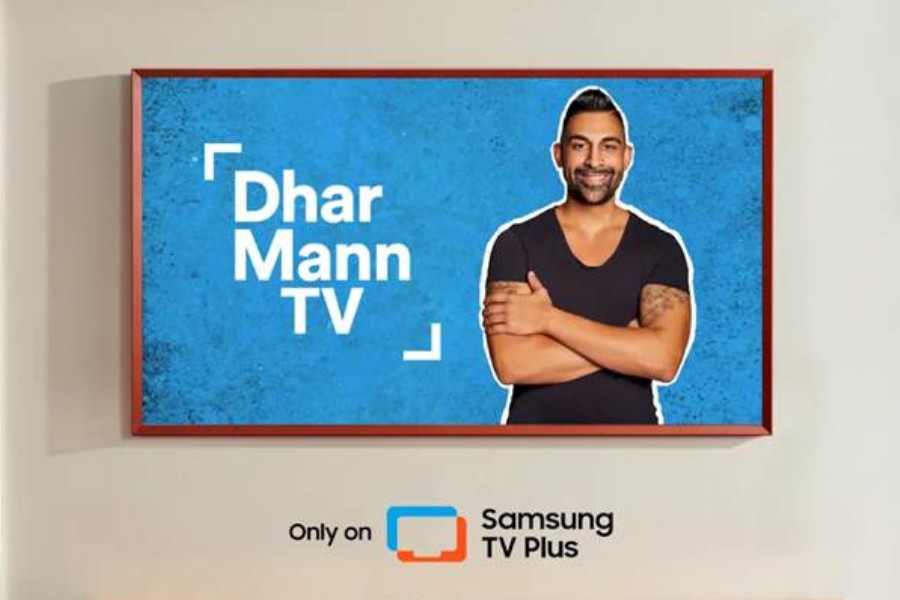
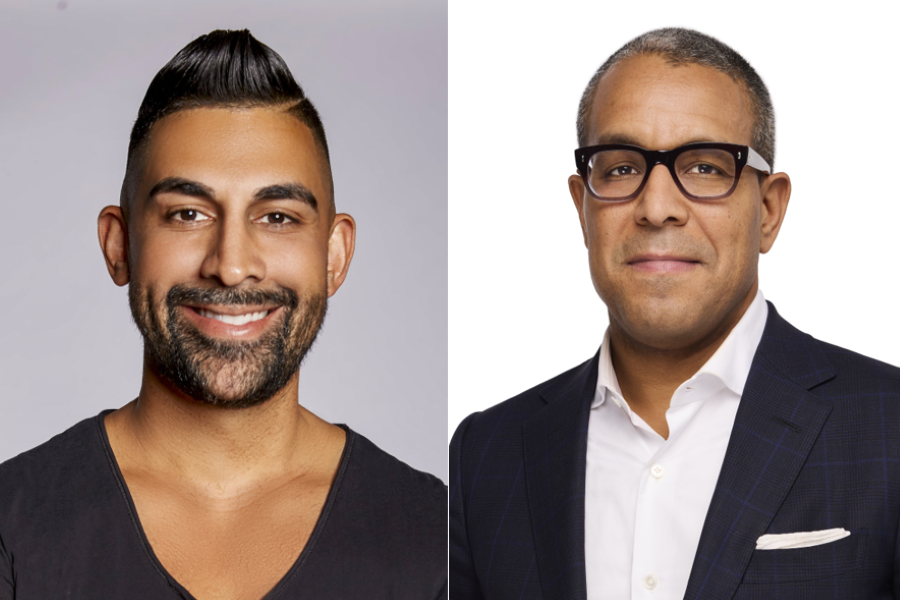
In their respective keynote addresses, popular YouTuber Dhar Mann — whose studio’s short-form morality plays have driven massive engagement across social media platforms — and Bell Media President Sean Cohan highlighted the potential for collaboration rather than competition between creator studios and established media.
“There’s this conversation that’s happening that creators are eating traditional media players’ lunch or replacing them at the table,” Mann said. “I don’t believe that whatsoever. I think that there’s this bridge, and the folks who can create the bridge between these two islands are the ones that are going to really win in the long run.”
Mann was joined on stage by Dhar Mann Studios CEO Sean Atkins. The two pointed to value of blending Mann’s social media audience reach and real-time analytics with traditional storytelling expertise and distribution muscle, suggesting a hybrid model where creator content and legacy media can reinforce each other’s strengths rather than operate in silos. Dhar Mann Studios’ own deal with Fox Entertainment is the perfect example, Atkins said: “Our intellectual property is ours, we get to produce the content that’s great for us, we get to work with them on distribution and learn together, and they can exploit the assets on linear television and what-not that we don’t have the capability of doing on our own — it’s a win-win for both of us.”
Subscribe HERE to the FREE Media Play News Daily Newsletter!
Artificial intelligence emerged as both a tactical tool and a strategic imperative during the week. In discussions reflecting broader industry trends, executives such as Albert Cheng of Amazon MGM Studios and Jon Erwin of The Wonder Project framed AI not as a threat but as a partner in enhancing production efficiency, reducing costs, and expanding creative capacity.
“When it comes to all the film and TV series that we have in development, I’ll be sitting in these seats and going, ‘I wish we could green light all of these,’” Cheng said. “’How in the world can we do this?’ And the only way to do this is to figure out how do we lower the costs to make these — because the more we can reduce these costs, the more titles we can get on the service.”
Erwin likened AI to the emergence of digital cinema and CGI. “[It’s] a new set of tools that are very powerful,” he said, “and it’s a set of tools and a certain kind of intelligence that pairs incredibly well with human creativity and just amplifies and accelerates everything you do.”
Other sessions at NATPE focused on practical AI applications — from how studios can leverage machine learning to augment human creativity, to how brands and agencies can use data to tailor content to specific platforms and viewers. Rather than predicting the end of traditional workforce roles, speakers emphasized AI as a force multiplier, enabling smaller teams to produce more content, faster — crucial in a marketplace where the pace of delivery increasingly shapes competitive advantage.
While creator content and AI tools generated the most buzz, the traditional focus on distribution strategy, rights negotiation and monetization remained front and center as well. Distributors and buyers unpacked the escalating complexity of distribution terms — particularly as streaming platforms juggle SVOD, AVOD and FAST channels, and ad-supported tiers — in an effort to maximize reach without sacrificing profitability.
Global buyers at NATPE reiterated the importance of flexibility: the ability to structure deals that span multiple platforms and territories, adapt to shifting performance metrics, and integrate ancillary revenue streams such as FAST licensing or branded content integrations. Distribution execs also noted that linear and digital channels are no longer competing silos, but, rather, complementary components of broad strategies aimed at capturing audience attention where it naturally migrates.
Subscribe HERE to the FREE Media Play News Daily Newsletter!