


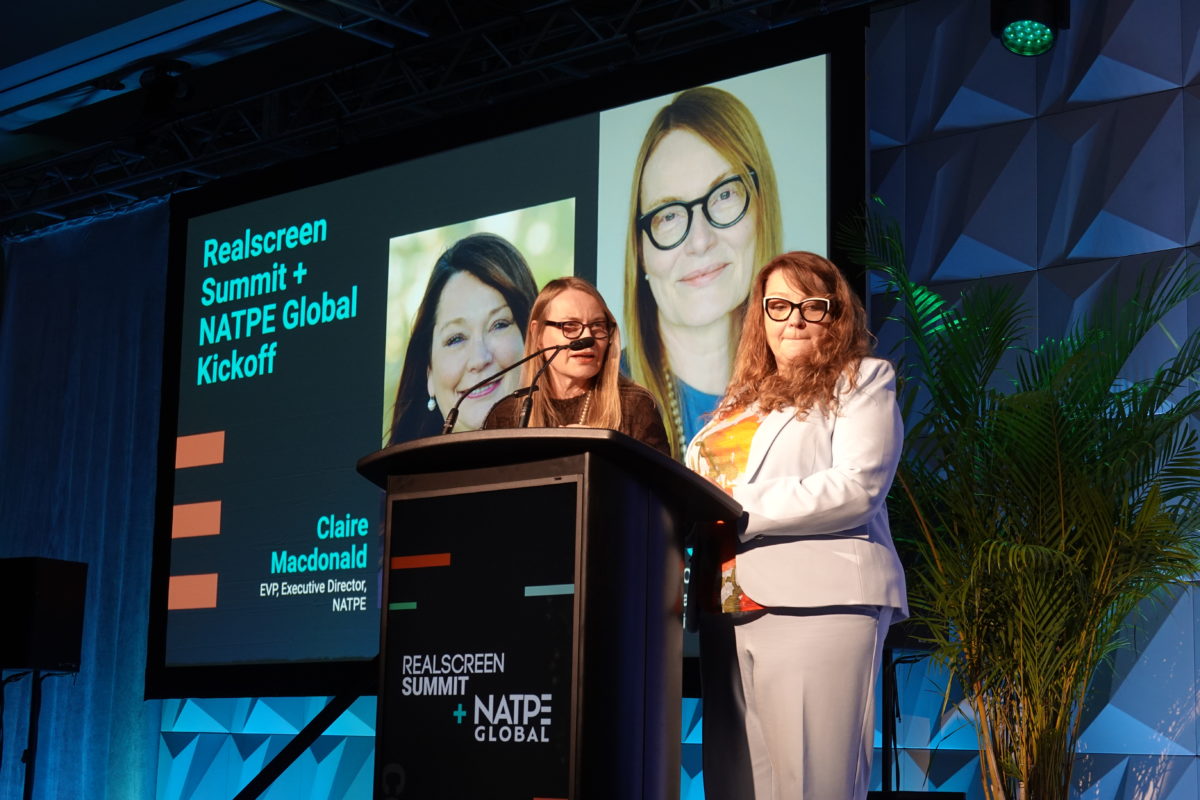
NATPE Global and Realscreen Summit 2026 Underline Convergence, Creators and New Content Economics

MIAMI — The 2026 edition of NATPE Global, co-located with the Realscreen Summit in Miami the first week in February, made clear that old boundaries are dissolving — between creators and legacy media, between traditional distribution and digital innovation. Delegates from across the production and distribution ecosystem upped the intensity of conversation from deal talk to strategic realignment, with a sharply pragmatic undertone reflecting an industry in transition.

The two events brought three major currents into focus: the growing influence of creator-led brands and platforms; the real-world use of AI to reshape production economics; and the ongoing search for sustainable distribution models across an increasingly fragmented marketplace.

Speakers on a panel on converging platforms said creators, brands and social platforms are converging with studios, streamers and broadcasters to change the way content is financed, produced, packaged and distributed.

“It feels like every day is new,” said Kim Larson, global managing director and head of creators at YouTube. “Every day something’s different, and we’re learning. I’ll tell you, some things are pretty constant when we think about audience behavior, and that is how passionate fans build community in a way that I don’t think everybody’s figured out how to financially unlock yet.”

As an example, Larson pointed to creator Markiplier, whose real name is Mark Fischbach.

“He had a passion project called Iron Lung,” Larson said. “It is a movie he made and self-financed. He spent $3 million on it. He literally went to these theaters and said, ‘Hey, will you show it for me?’ And his community, his installed base of 38 million followers, stepped up. He got in 4,000 theaters with a $21 million opening box office. Nobody thought that was possible. And I think that people are waking up to the power and the financial opportunity that comes with the community.”

In their respective keynote addresses, popular YouTuber Dhar Mann — whose studio’s short-form morality plays have driven massive engagement across social media platforms — and Bell Media President Sean Cohan highlighted the potential for collaboration rather than competition between creator studios and established media.

“There’s this conversation that’s happening that creators are eating traditional media players’ lunch or replacing them at the table,” Mann said. “I don’t believe that whatsoever. I think that there’s this bridge, and the folks who can create the bridge between these two islands are the ones that are going to really win in the long run.”

Mann was joined on stage by Dhar Mann Studios CEO Sean Atkins. The two pointed to value of blending Mann’s social media audience reach and real-time analytics with traditional storytelling expertise and distribution muscle, suggesting a hybrid model where creator content and legacy media can reinforce each other’s strengths rather than operate in silos. Dhar Mann Studios’ own deal with Fox Entertainment is the perfect example, Atkins said: “Our intellectual property is ours, we get to produce the content that’s great for us, we get to work with them on distribution and learn together, and they can exploit the assets on linear television and what-not that we don’t have the capability of doing on our own — it’s a win-win for both of us.”

Subscribe HERE to the FREE Media Play News Daily Newsletter!

Artificial intelligence emerged as both a tactical tool and a strategic imperative during the week. In discussions reflecting broader industry trends, executives such as Albert Cheng of Amazon MGM Studios and Jon Erwin of The Wonder Project framed AI not as a threat but as a partner in enhancing production efficiency, reducing costs, and expanding creative capacity.

“When it comes to all the film and TV series that we have in development, I’ll be sitting in these seats and going, ‘I wish we could green light all of these,’” Cheng said. “’How in the world can we do this?’ And the only way to do this is to figure out how do we lower the costs to make these — because the more we can reduce these costs, the more titles we can get on the service.”

Erwin likened AI to the emergence of digital cinema and CGI. “[It’s] a new set of tools that are very powerful,” he said, “and it’s a set of tools and a certain kind of intelligence that pairs incredibly well with human creativity and just amplifies and accelerates everything you do.”

Other sessions at NATPE focused on practical AI applications — from how studios can leverage machine learning to augment human creativity, to how brands and agencies can use data to tailor content to specific platforms and viewers. Rather than predicting the end of traditional workforce roles, speakers emphasized AI as a force multiplier, enabling smaller teams to produce more content, faster — crucial in a marketplace where the pace of delivery increasingly shapes competitive advantage.

While creator content and AI tools generated the most buzz, the traditional focus on distribution strategy, rights negotiation and monetization remained front and center as well. Distributors and buyers unpacked the escalating complexity of distribution terms — particularly as streaming platforms juggle SVOD, AVOD and FAST channels, and ad-supported tiers — in an effort to maximize reach without sacrificing profitability.

Global buyers at NATPE reiterated the importance of flexibility: the ability to structure deals that span multiple platforms and territories, adapt to shifting performance metrics, and integrate ancillary revenue streams such as FAST licensing or branded content integrations. Distribution execs also noted that linear and digital channels are no longer competing silos, but, rather, complementary components of broad strategies aimed at capturing audience attention where it naturally migrates.

Subscribe HERE to the FREE Media Play News Daily Newsletter!
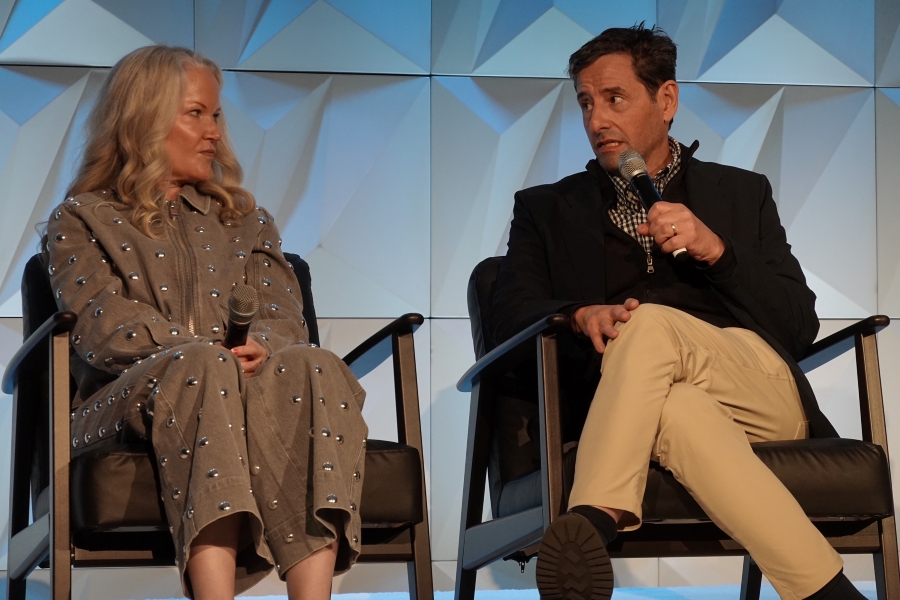
Converging Platforms, Rise of Creators Will Influence the Future of Content, NATPE Global Panelists Say

MIAMI — Convergence will play a key role in the evolution of content over the coming years, according to panelists at the Feb. 3 NATPE Global session on the future of content.

Creators, brands and social platforms are converging with studios, streamers, and broadcasters to change the way content is financed, produced, packaged and distributed. And yet one thing that hasn’t changed is storytelling — a good story is still a good story, and that’s at the heart of all successful content.

YouTube creators are known for creating good stories that draw loyal legions of followers. And more and more, their success isn’t limited to YouTube.

“It feels like every day is new,” said Kim Larson, global managing director and head of creators at YouTube. “Every day something’s different, and we’re learning. I’ll tell you, some things are pretty constant when we think about audience behavior, and that is how passionate fans build community in a way that I don’t think everybody’s figured out how to financially unlock yet.”

As an example, Larson pointed to creator Markiplier, whose real name is Mark Fischbach.

“He had a passion project called Iron Lung,” Larson said. “It is a movie he made and self-financed. He spent $3 million on it. He literally went to these theaters and said, ‘Hey, will you show it for me?’ And his community, his installed base of 38 million followers, stepped up. He got in 4,000 theaters with a $21 million opening box office last weekend. Nobody thought that was possible. And I think that people are waking up to the power and the financial opportunity that comes with the community.”

Subscribe HERE to the FREE Media Play News Daily Newsletter!
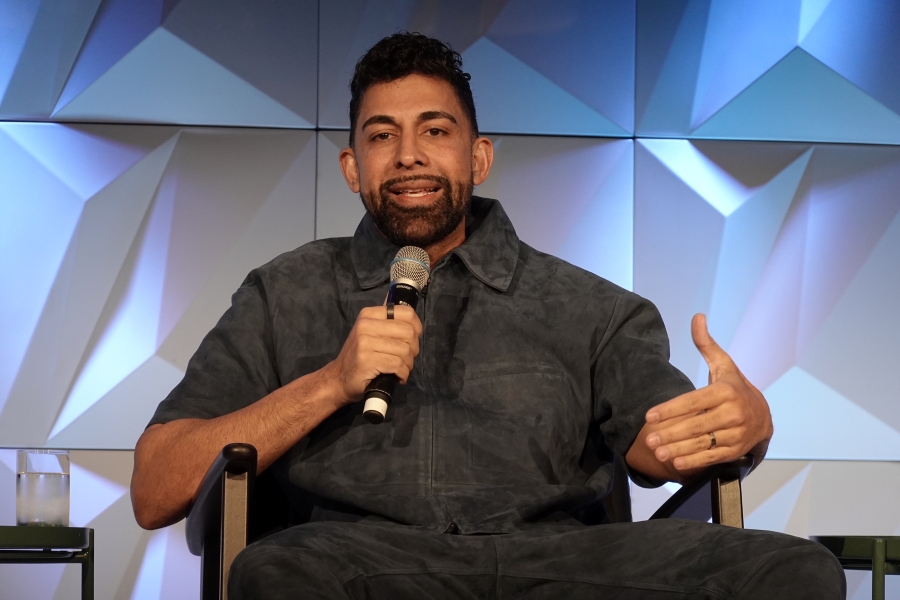
On the other hand, Larson added, “when we talk about audience behavior, I think we overestimate the degree to which people discern” about the different types of content.

“Live sports, scripted shows, creator-led entertainment — it’s just what do people want to watch in the moment,” she said. “What is entertaining? What’s going to captivate them? And so we’re just seeing these barriers coming down in a way that is probably scary for a lot of people, but also really fruitful, I think, for the industry.”

Robert Sharenow, president of programming for A+E Global Media, said even though A+E’s content is now available on multiple platforms, including YouTube, choosing content hasn’t changed all that much over the years.

“We look for things that have universal resonance,” he said. “And one of the odd things that I’ve noticed over the last 15 years is that when you look at old media and old platforms, the same things work everywhere.

“We are huge on YouTube in history — our stuff on history kills on YouTube, as does our crime and justice stuff. The things that work translate on every platform. So it’s not this incredible mystery. I think the mystery and the thing that is most exciting are the things that are surprising.

“No algorithm could have ever predicted the success of ‘Heated Rivalry’ (a Canadian sports romance series about two rival professional hockey players whose on-ice animosity conceals a secret romance). And when I took the pitch for ‘Project Runway,’  I was like, ‘Fashion design? Who’s interested in that?’ Boy, was I wrong. It’s a great show, but it’s really about creativity in its heart. And that’s a universal theme.

“It’s the same with ‘South Park,’ which began as two guys in their garage cutting out elementary school students from colored paper. And I do think there are all sorts of unpredictable moment, and a lot of our shows come out of that. Who would’ve thought a show about a pawn shop would be going on 500 episodes?

“Those are the things that get me excited — you just don’t know what’s coming next. Again, for us, we’re a multiplatform company, so we want everything to play everywhere. And it does. So it’s not like the game has changed. You’re still trying to attract a big audience — wherever they are.”

As more platform shifts occur, innovation and originality will become increasingly important, panelists said. YouTube’s Larson said that when the Oscars move to YouTube in 2029, viewers will see a whole new broadcast, including a digitization of the Academy Arts and Sciences Museum “so that we can really celebrate what’s gone before and have a more up-to-date way to consume it.”

Creators hoping to broaden their reach and move their content beyond social platforms must develop “a constructive and intimate relationship with their fans,” Larson said. “And their audiences are infinitely more monetizable. I always tell brands, ‘Hey, don’t just chase the big reach.’ You can get into every nook and cranny in culture and find a creator who does something about, say, vegan Indian cooking, and find their audience there.’”

The most successful creators, Larson said, all have certain common traits. “The first thing you have to do is have a point of view,” she said. “You have to be interesting. You have to be good. And you have to be willing to put yourself out there and package that up in a way that sometimes might be uncomfortable, but that’s endearing to your audience.”

One significant change in how content will be produced — but not how it will necessarily look or feel — is the integration of AI to cut costs, speed up production cycles and give filmmakers more tools to work with.

“I think the future of content is going to look like humans working with traditional workflows, how we’ve done before, but integrating AI in a very smart way, in an efficient way, without losing the story that they intend to do,” said Verena Puhm, head of Dream Lab LA, a Luma AI R&D studio in Los Angeles designed for filmmakers, studios, and artists to explore, experiment with, and integrate cutting-edge AI technology into professional storytelling.

“I think the future of content will include more choices, but also more winners and losers creatively,” said A+E’s Sharenow. “It always ends up being a creative footrace — whatever the disruption is, some people are going to win, some people are going to lose, and it all comes down to the creativity, no matter what we’re talking about. If it’s a micro drama, if it’s  YouTube short, if it’s a 20-hour documentary on World War II with Tom Hanks, there are winners and losers in every single bucket.”

Asked about the next evolution for YouTube, from a content perspective, Larson said, “That’s a really hard question. I guess I would say that by giving people tools [like AI], we are now lowering the barrier of entry for all kinds of new content. So everything in here that everyone thinks is content, I think that’s going to be redefined because what those tools are enabling is me, you, you, you, you to all tell stories in really compelling and professional ways. And that is going to unlock something. I don’t know what that something is, but that is going to unlock a whole new generation of storytellers.”

Subscribe HERE to the FREE Media Play News Daily Newsletter!
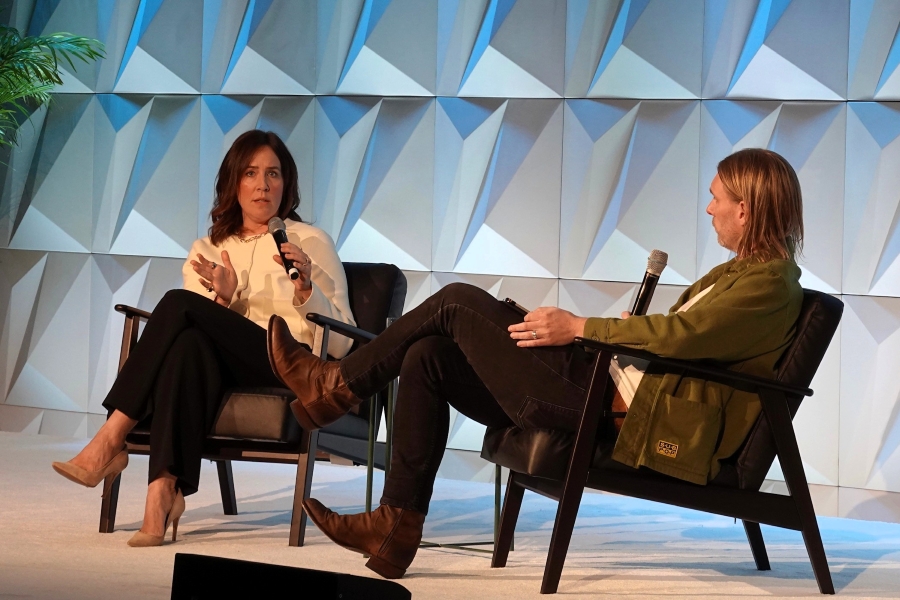
Dhar Mann: Creator Content, Traditional Media Can and Should Work Together

MIAMI — Creator content — of the sort popularized on YouTube, TikTok and other social media channels — and traditional media aren’t diametrically opposed to each other, as some might think.

Rather, they can be complementary and open new doors to each other, providing creators with new distribution opportunities and media companies with new content that is less expensive to produce and could help them reach the wave of Gen Z viewers who don’t watch traditional television or go to the movies.

That was the message YouTube sensation — and micro-drama pioneer — Dhar Mann and the CEO of his company, former MTV executive Sean Atkins, delivered during their opening-day keynote at NATPE Global, which opened in Miami Feb. 4 at the InterContinental Hotel.

Mann, of course, is the founder of Dhar Mann Studios, which is known for creating viral, moral-based, short-form scripted videos, most of them shot at its 120,000-square-foot production campus in Burbank, Calif. Mann and his company have more than 145 million followers, including 26 million on YouTube, and in January the company inked a programming deal with Fox Entertainment. Mann shorts will be hosted on the MyDrama app, part of the Fox family, with an initial rollout of 40 narrative videos. Subsequent distribution windows will be managed by Fox Entertainment Global.

“There’s this conversation that’s happening that creators are eating traditional media players’ lunch or replacing them at the table,” Mann said. “I don’t believe that whatsoever. I think that there’s this bridge, and the folks who can create the bridge between these two islands are the ones that are going to really win in the long run.”

Mann said that while content creation is his forte, he needed a legacy media veteran like Atkins, whose resume includes stints at MTV and Discovery, to develop and build his business.

Subscribe HERE to the FREE Media Play News Daily Newsletter!
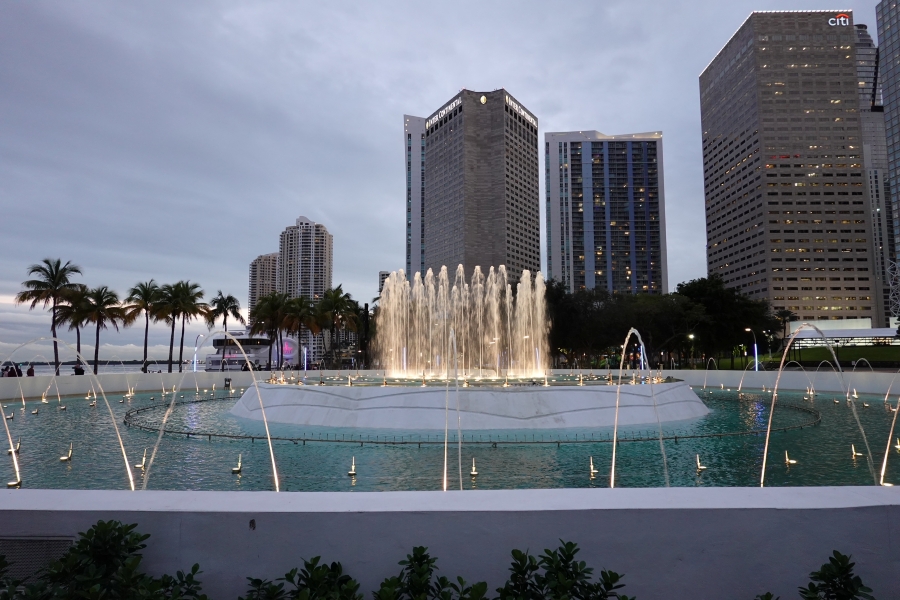
“Sure, I could have gotten so far in building the studio, but I didn’t understand content syndication deals,” he said. “I didn’t understand how to have an OTT strategy and the difference between SVOD and AVOD and everything else. I didn’t understand how to do contracts with Samsung and Fox and Disney. I wouldn’t know how to go into vertical dramas and partner with Fox. I didn’t even understand the concept of budgets.”

Mann said he met Atkins “when he came in to buy my company.” But after talking with him for awhile, Mann said, “I said, Sean, instead of buying us, can you just come partner with me and join forces because I really want to do this for the rest of my life. On the due diligence calls, he’d be like, ‘Dhar, how do you decide what the budget is for a film?’ And I’d say, ‘I don’t know, but I can tell you we do everything we can to save money. For example, instead of renting a basketball court, we’d go to Costco, buy a basketball hoop, put it up in our parking lot and that becomes our basketball scene. I can’t tell you how that translates to ROI, but I can tell you we saved 500 bucks there, right?’”

Creative thinking, Mann said, “can go so far. But then bringing in a team of executives or even folks who have done this before definitely has lots of advantages.”

Content creators also bring a lot to the table. “The biggest change from the traditional model is that essentially development is gone,” Atkins said. “So because we can move so fast, because a creator owns distribution and marketing and is vertically integrated, it’s much more cost-effective and efficient just to basically make it.

“Now, obviously that’s not going to work if you’re trying to make Avatar — that’s a different level. But for us, to sit around and spend six months in development, bring in a bunch of writers, and throw opinions at each other. … It’s far more efficient to be, like, ‘I kind of have a notion, I think it’s important for our audience, and there’s some data telling us that they’re going to like it. So let’s just make some version of it because we can always iterate to better along the way.’”

Dhar Mann Studios, Atkins said, “can go from a notion to it’s on our channel in 60 days, accelerated as fast as 14 days. I tell a lot of my development friends, if you partner with Dhar Mann Studios, you’d probably spend the same budget for one traditional scripted series and we could probably make 40 for you.”

Creators also excel at grabbing the viewer’s attention early, beginning with the thumbnail.

“You have to create emotion; you have to create curiosity,” Mann said. “You know, our test is even without any text or context, you should have a good understanding of what that video’s going to be and what you’re going to get. And then the opening hook of the video should almost immediately deliver on whatever the promise of that packaging is. For instance, we did this video recently about kids buying a $200 house on Temu. And so, when you open the video, if you don’t see, within the first 30 seconds, kids talking about buying a $200 house on Temu, you’re almost immediately losing the audience’s interest because that’s what got them there in the first place.

“When we’ve sat down with the Netflixes and the Disneys and such, someone said to me, ‘It’s super important that within the first five minutes we grab their attention.’ And I’m like, ‘We have five minutes?’ Because I’m used to five seconds.”

Mann and Atkins also talked about the new partnership with Fox. “We don’t walk around with arrogance, saying because we are creators, we know everything,” Atkins said. “We know about our audience, we know about what we do very well, but there are things that we don’t know or that we might be more advantaged in having a partner.

“We’ve had very conscious conversations with some great media partners, where they came to the table and said, ‘Look, we don’t know about your world,’ and we’re like, ‘We don’t really know about your world.’ So what is the meeting of the minds that is going to make both of us a little uncomfortable so we can go create something new in a business model that’s new. And tons of credit to Fox Entertainment, because they came to the table and said, ‘We know that creators care about owning intellectual property. We’re not going to try to take that away from you.’ That’s a shocking thing to hear in transactional negotiations.

“So, the advantage to partner with someone who can bring something to the table … we don’t do international global television distribution. You know who does? Fox. And they do it really, really well. And so we’re able to work with someone where we get to do what we do. Our intellectual property is ours, we get to produce the content that’s great for us, we get to work with them on the distribution and learn together and they can exploit the assets on linear television and what not that we don’t have the capability of doing on our own — it’s a win-win for both of us.”

Mann shared with the audience his backstory. He was 30 and broke. He started making content on his couch, focusing on his personal failures, at what he concedes was “the lowest point in my life.”

“I had no money, I was two weeks away from eviction, and I was entering this new decade of life,” Mann said. “I felt like a complete failure, and for a long time I was just sad about my struggles. But then one day I decided to turn my struggles into stories, and so I started opening up about my failures. I realized there were so many people out there who could probably learn from the mistakes that I made in my life, and if I could help them avoid those mistakes and also feel like they’re not alone, then this was a worthwhile pursuit for me opening up about everything I had been through. So I turned on my camera one day and I started recording and I started just telling people like, ‘Hey, if your dreams haven’t worked out, if you feel like your life is not where you want it to be, don’t give up. That doesn’t mean that the future can’t be brighter. That doesn’t mean things won’t work out.’

“I kept recording those videos, one after another, in my small living room apartment, and nobody watched those videos for the longest time. I thought the algorithm was broken. I was like, if only I could get a hold of Mark Zuckerberg and fix my Facebook distribution issues, then everybody will be watching my content. But it turns out it wasn’t the platform, it was the storyteller. And as I kept trying to iterate, eventually instead of trying to give people advice, instead of telling them, I decided to show them. And so I evolved formats. I went from talking on camera to writing scripts on napkins. I asked friends and family members if they would step in as actors. And my studio apartment became my production studio for these two- to three-minute films that all taught some sort of positive life lesson.”

Over the course of three years, Mann said, he produced more than 300 short films. “And then eventually it caught on and now we have nine full-time film crews and over 200 team members. We put out about five hours of scripted content every week. So things have grown quite a bit. But it all started from a place of just trying to help people feel more connected and not alone.”

Subscribe HERE to the FREE Media Play News Daily Newsletter!
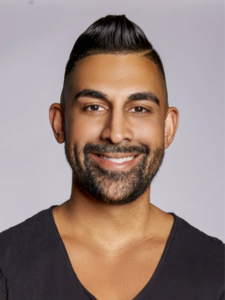
Creator Content — and YouTube — the Talk of the Town as Realscreen Summit Opens

MIAMI — The buzz around creators, and YouTube becoming synonymous with TV, dominated discussions as the Realscreen Summit opened Monday, Feb. 2.

The focus of the three-day event — co-located at the InterContinental Hotel with NATPE Global, which starts Feb. 4 — is unscripted content, a category that includes everything from reality shows to talk shows, docuseries, lifestyle and travel shows, and of course creator content that is increasingly moving from YouTube onto other streaming platforms as the popularity of YouTube continues to mushroom.

YouTube now has more than 2.5 billion monthly active users and last year surpassed Netflix to hold the largest share (over 13%) of daily TV usage, with more than 150 million U.S. viewers each month on connected TVs.

Anais Baker, head of international formats at Amazon MGM Studios, in a keynote “conversation” talked up the success of several Prime Video unscripted shows, particularly “LOL: Last One Laughing,” a standup comedy show that has been produced in over 20 territories. The British series, based on the Japanese show “Documental,” features 10 comedians competing to make each other laugh without laughing themselves. The last contestant to keep a straight face wins the trophy.

“Comedy has done really well for us,” Baker said. “I think we are known for that in a lot of regions.”

An even bigger hit is “Beast Games,” which launched on YouTube in 2012 as a gaming show when host Jimmy Donaldson, aka MrBeast, was just 13. The show, which now consists of high-production videos featuring extreme endurance challenges, huge cash giveaways, and elaborate stunts, premiered on Amazon’s Prime Video platform in December 2024 and during Amazon’s Upfront presentation in May 2025 was renewed for two more seasons, with Amazon executives saying “Beast Games” was Prime Video’s most-watched unscripted show ever, snagging 50 million viewers just 25 days after its debut.

Expect more creator content in the future, Baker said. “I think it’s [all about] talent, right?” she said. “And I think what’s interesting is that talent can come from a variety of groups.” Referring to “LOL” contestants, she said some promising young comedians come out of the traditional standup pool, “but it can also mean from the more of a digital platform. We see a lot of comedians come out on digital forums, whether it’s TikTok or Instagram. They’re comedians, they’re funny, but they’ve done things a different way — they followed a different path.”

Baker also dispelled the belief that creator content only appeals to young viewers. “MrBeast is very broad ranging — lots of people watch it,” she said, adding that she can think of a number of comedy shows on Prime Video “that I know my mum could sit down and watch and laugh her socks off.”

AI also created a buzz on day one of the Realscreen summit, with Michael Gelman of A&E, Lifetime and Home.Made.Nation and WEtv’s Angela Molloy talking about ways to optimize unscripted content, with AI and former FilmRise and Shout! Studios executive Max Einhorn announcing that Gennie, the newly launched generative AI content studio he cofounded, is working on a new conspiracy documentary series, “Birds Aren’t Real,” with U.K. production company Phoenix Television that will use AI to create realistic re-enactment and “what if” scenes that are difficult to produce in traditional shoots.

Subscribe HERE to the FREE Media Play News Daily Newsletter!
Distribution Decision-Makers Touch Down in Miami This Week for NATPE Global, Realscreen Summit

More than 1,800 buyers, exhibitors, producers and funders from over 50 countries are coming to Miami this week for NATPE Global, the big annual gathering of distribution decision-makers from leading streamers, connected TV device manufacturers, and MVPDs as well as boutique and independent distributors and producers.

The 100+ exhibitors that will set up shop at the InterContinental Hotel Feb. 4-6 include Amazon MGM Studios, Fox, Lionsgate, Radial Entertainment, Sony Pictures Television, Warner Bros. Discovery, Blue Ant Media, Fremantle, NBC Universal, All3, BBC Studios and Fifth Season.

NATPE Global is co-located with the Realscreen Summit, which is focused on the unscripted market. The summit starts Feb. 2.

At both shows, brands are also taking the stage — from P&G, PepsiCo and L’Oreal to the Kansas City Chiefs — while micro-drama heavyweight Dhar Mann and YouTube influencer Jordan Matter represent the growing number of creators who are attending, as well.

Dhar Mann is also one of two keynoters, joining Bell Media president Sean Cohan.

Dhar Mann

Mann, founder of Dhar Mann Studios, leads one of the world’s most-watched digital storytelling platforms, with billions of views across YouTube, Facebook, Instagram, and TikTok. His vertically integrated studio model combines high-volume production with real-time analytics, exemplifying how creators are building scalable media operations outside traditional gatekeeping structures. Mann will be joined in the conversation by Dhar Mann Studios CEO and former MTV president Sean Atkins.

Cohan, president of Bell Media, leads one of North America’s largest media and entertainment companies. Cohan is guiding Bell through a strategic reinvention, blending legacy brands with digital expansion and partnerships with the likes of Prime Video to optimize content and increase reach. His remit spans the leading Canadian streamer Crave, top broadcast network CTV, French service Noovo, sports networks TSN and RDS, audio streamer iHeart Radio and specialty channels.

“This year’s keynotes speak to the confluence of what was once seen as two viewing solitudes — social platforms and mainstream media,” said Mary Maddever, executive content director of NATPE and EVP of Realscreen. “In tandem with the broadcast business model’s migration towards streaming, what happens on different platforms is less distinct, so whether you’re a creator scaling a global brand or a traditional media leader adapting to new market realities, there’s an upside in collaboration, crossing streams and learning from successes.”

“The response to our 2025 edition was phenomenal — record-breaking attendance and unprecedented buyer engagement,” said Claire Macdonald, SVP and executive director, NATPE Global. “In 2026, we’re raising the bar again, driven by visionaries like Dhar and Sean who are reshaping what this industry looks like. In addition to the bringing the Creator economy into the NATPE fold, we’re putting a spotlight on the Scripted side of the market with a new dedicated track and expanding our focus on bringing brands into the conversation.”

Also speaking will be Amazon MGM Studios’ Anaïs Baker, who will deliver a keynote at the Realscreen Summit. Baker, who leads the development and localization of global franchises and emerging hits, will be sharing how she identifies and develops IP with global potential and how she’s building a robust content pipeline by working closely with territories and production partners worldwide.

Subscribe HERE to the FREE Media Play News Daily Newsletter!

Blue Ant Media Plots Ambitious Growth Strategy After Going Public, Buying MagellanTV

Carlyn Staudt, president of global channels and streaming for Blue Ant Media, wants to capitalize on the Toronto-based media company’s momentum in the aftermath of its acquisition of unscripted streamer MagellanTV and reverse takeover of Boat Rocker Media last spring.

She’s headed to NATPE Global in Miami early next month to talk up the company’s ambitious growth strategy and maybe cut a few deals in the process.

Carlyn Staudt

“My primary agenda for NAPTE is focused on fostering our industry partnerships and supporting our global channels sales team in expanding our global footprint, in particular the global reach of MagellanTV,” Staudt said. “Additionally, our global channels team is at the conference in tandem with our production and rights teams under Blue Ant Studios.

“Together, we are in the marketplace looking for opportunities to co-invest and partner with other studios on IP. I want to leverage our combined commissioning power to find new creative financing models that allow us to greenlight and monetize high-quality content across our entire global network.”

Staudt will also be on a panel discussion Feb. 4 for a “Streaming Breakfast” with fellow executives from Roku, Tubi and BBC Studios.

Blue Ant Media is an international producer, rights business and operator of FAST and linear pay TV media brands. Through its Blue Ant Studios division, the company creates, distributes and broadcasts factual entertainment, lifestyle series, animation, documentaries and 4K natural history shows. Founded in 2011, Blue Ant Media’s diverse portfolio of global brands and IP is distributed in more than 100 countries and across 300 platforms globally, with a library consisting of more than 7,000 hours of content. Last spring, the company went public in a reverse takeover, a move Staudt says “was a major catalyst for our current ambitious growth strategy.”

MagellanTV, which Blue Ant acquired last October for $12 million, is an ad-free subscription streaming service dedicated exclusively to documentaries and factual content, with a library of more than 3,000 titles in such genres as history, science, space, nature and true crime. It offers 4K content, supports offline downloads, and is accessible on multiple devices, including smart TVs, for roughly $4.99/month on annual plans. MagellanTV was founded in 2018 by Greg Diefenbach and Thomas Lucas, who previously worked at National Geographic, PBS and Discovery.

“Our recent activity, including the MagellanTV deal, is the direct execution of the M&A priorities we established when we went public,” Staudt said. “We’re scaling our global streaming business, strengthening our studios, and expanding into media-adjacent opportunities. We are deliberately building an interconnected business that spans production, distribution, and owned media platforms to maximize the value of our IP and maintain end-to-end control over the content lifecycle.”

The coming year, Staudt said, “is about global scaling, genre expansion, and cultivating audiences. While we’ve established a strong position as a factual leader, especially following the acquisition of MagellanTV, we are now looking to expand into other categories and genres where we can super-serve passionate audiences. We are also focused on taking MagellanTV’s successful U.S.-based model and scaling it globally through our international sales and distribution teams.”

Ultimately, Staudt notes, “our goal is to evolve Blue Ant into a diversified, global media business where our studios, channels, and platforms work in real synergy. By aligning our global channels and streaming platforms with our production capabilities, we increase our commissioning power and take a more strategic, end-to-end approach to content and IP. We want to meet audiences wherever they are — across SVOD, FAST, AVOD, Pay TV and an expanding mix of digital platforms — tailoring our offerings by territory to maximize both reach and monetization.”

Streaming isn’t the only endpoint, Staudt maintains. “Increasingly, value is created through how IP travels across platforms and how audiences engage with it over time,” she said. “Ultimately, our ambition is to focus on a set of core, well-defined genres where we have real expertise and can build strong audience communities and long-term fandoms. That means thinking beyond a single platform or window, and growing brands that live across digital, podcasting, social, experiential, and other extensions — creating deeper audience relationships and more sustainable value over the long term.”

Subscribe HERE to the FREE Media Play News Daily Newsletter!
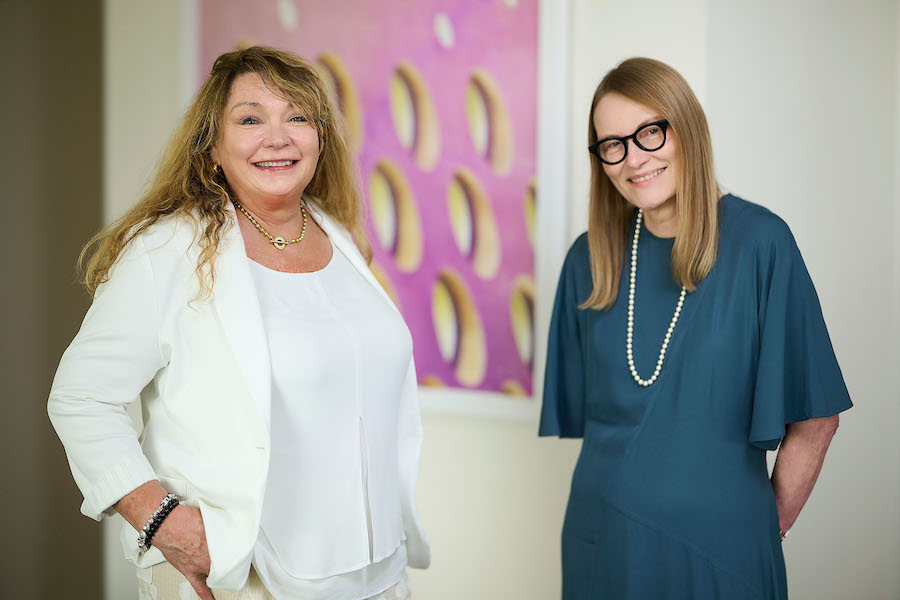
NATPE Global, Realscreen Summit Conferences Shift Focus Toward Creators, Brands

Cognizant of how the streaming industry is shifting toward creators and brands, organizers of NATPE Global and the co-located Realscreen Summit are putting the spotlight on both when their respective events return to Miami in early February.

“Creators and brands are no longer adjacent to the business of television — they’re actively shaping it,” said Mary Maddever, chief content officer for Brunico Communications, producer of the shows. “What we’re seeing now is a convergence, where creators, brands, studios and distributors are sitting at the same table, solving for the same challenges around audience, monetization and scale.”

Both events will be held at the InterContinental Miami. The Realscreen Summit, which focuses on unscripted content, takes place Feb. 2-4, followed by NATPE Global Feb. 4-6.

The strategic focus of the two shows in years past has been on industry markets centered on traditional buyer-seller dynamics between networks, studios, and distributors. This year, both NATPE Global and the Realscreen Summit are placing greater emphasis on the full content ecosystem including creators, digital-first studios, brands, and new business models that sit at the intersection of entertainment, commerce and culture.

Creator and studio founder Dhar Mann headlines NATPE Global as a keynote speaker, underscoring how creator-led businesses are now operating at true studio scale. Across both events, brands such as PepsiCo, P&G, the Kansas City Chiefs, L’Oréal and Hasbro are active participants in conversations with producers and platforms around developing entertainment, IP ownership, audience trust and measurable ROI.

“We have also curated a Media Leaders Lunch to bring together senior executives from across brands, creators, studios, and platforms in a more intimate setting,” said Claire Macdonald, EVP and executive director of NATPE. “It’s about creating the space for real conversation, where perspectives collide and partnerships form. We expect meaningful takeaways that speak directly to the innovation and convergence shaping the industry right now.”

“Brands today aren’t just buying media, they’re investing in storytelling,” Maddever noted. “And creators are building businesses, not just channels. We expect to see new partnerships and announcements that reflect the innovation and convergence shaping what comes next.”

“What makes this different is that these conversations aren’t theoretical. The people on our stages are actively doing the work, building partnerships, launching content, and redefining what success looks like across platforms,” commented Macdonald.

The 2025 edition saw record attendance and industry engagement, with more than 2,350 registered delegates across both events and more than 120 exhibitors and sponsors, according to organizers. The Realscreen Summit attracted more than 1,200 delegates from more than 25 countries marking an 11% increase in attendance from the previous year. NATPE Global welcomed approximately 1,700 delegates representing 54 countries, including more than 700 registered buyers, and saw a 13% increase in overall attendance, alongside a rise in producer participation and exhibitor partnerships. Additionally, more than 550 delegates attended both events, demonstrating strong industry interest in the crossover programming, according to organizers.

In December, Brunico canceled its NATPE Budapest conference, held for three years in the Hungarian capital for the Central and Eastern European (CEE) market.

“With the continued proliferation of industry markets in Europe, we’ve decided to focus on North America, where we can create scale,” Brunico CEO Russell Goldstein said at the time.

Subscribe HERE to the FREE Media Play News Daily Newsletter!
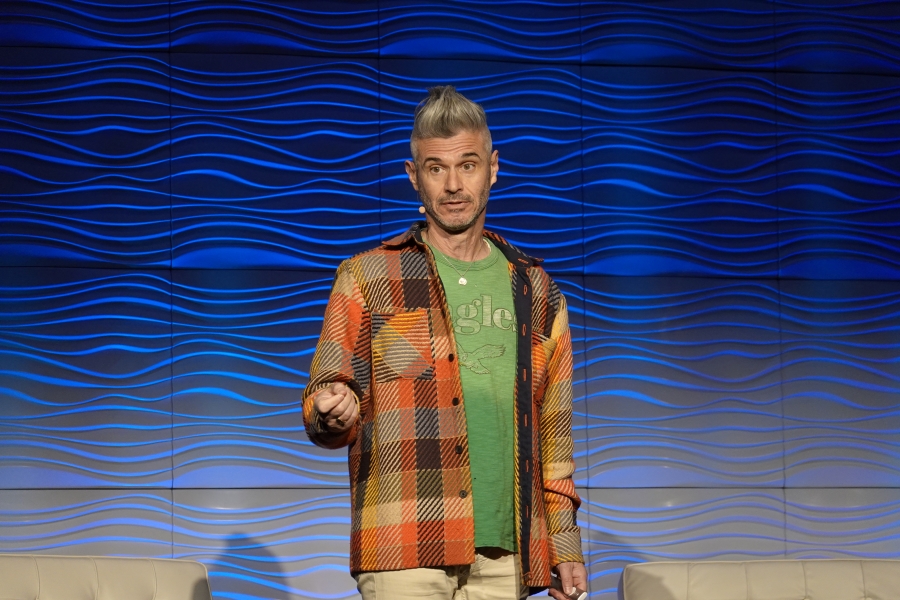
Top Studios, Distributors Will Again Be in Miami Feb. 4-6, 2026 for NATPE Global

NATPE Global on Oct. 21 announced a roster of leading studios and distributors that will be participating at its next show, which will be held Feb. 4-6, 2026 at the InterContinental Miami.

Among them: Amazon MGM Studios Distribution, BBC Studios, Fifth Season, Fremantle, Fox Entertainment Global, Lionsgate, NBCUniversal Global TV Distribution, Sony Pictures Television and Warner Bros. Discovery Content Sales.

NATPE Global 2026 will featured an expanded week of programming alongside the co-located Realscreen Summit (Feb. 2–4), which again brings top unscripted players to Miami, including keynoters Jane Turton, CEO of All3Media, and Anaïs Baker, head of international formats for Amazon MGM Studios.

“NATPE Global is where the world’s most influential studios and emerging voices meet,” said Claire Macdonald, SVP and executive director for NATPE Global. “The caliber of partners confirmed for 2026 underscores our role as the premier hub for global content deal-making and creative collaboration.”

Subscribe HERE to the FREE Media Play News Daily Newsletter!

NATPE Global brings together key buyers and decision-makers from the entire media ecosystem with a concentration across the key regions of North America, Latin America and Europe. Spanning development to catalog programming, the event also provides access to distribution decision-makers from leading connected TV device manufacturers and MVPDs. 

This year’s conference, under the theme “Convergence,” will include participation from collaborators who are leading and shaping the industry’s shifting power dynamic, as traditional media players, global distributors, and digital-first creators form new alliances to broaden reach, optimize content, and respond to evolving audience demand. 

Previously announced keynote speakers include top content creator and eponymous studio founder Dhar Mann and Bell Media president Sean Cohan, who is also transforming the media company model.

With more than 200 buyers already confirmed, key NATPE Global programming highlights include Scripted, a newly launched content strand; Creator & Brand immersion, bringing together creators, brands, agencies, and media company leaders; and the return of NATPE Honors, celebrating the industry leaders who are shaking up the status quo.

All3Media’s Jane Turton to be Inducted Into the Realscreen Hall of Fame in February

Realscreen Sept. 10 announced that Jane Turton OBE, CEO of All3Media, will be inducted into the Realscreen Hall of Fame Feb. 3 at the InterContinental Miami as part of the 28th edition of the Realscreen Summit, once again co-located with NATPE Global.

Turton also will join Realscreen Summit for a keynote conversation, sharing her insights on the global market and positioning competitively for the future.

Turton has shepherded All3Media into a global content powerhouse, overseeing over 40 award-winning companies producing 4,000 hours of content a year, sold to more than 1,000 broadcasters worldwide. She has also grown Little Dot Studios into a leading digital content network.

Turton is also chair of RTS and boasts a career spanning senior roles at ITV, Granada Television, and other major UK broadcasters.

Subscribe HERE to the FREE Media Play News Daily Newsletter!
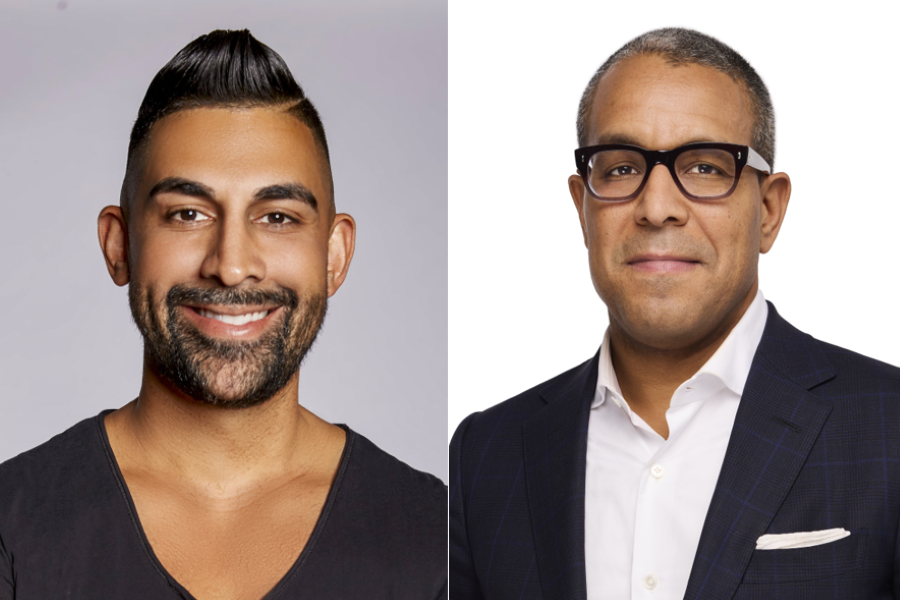
“From label launches and acquisitions, to global phenoms like The Traitors, under Jane Turton’s leadership All3Media has made headlines for going from strength to strength in challenging times,” said Realscreen EVP Mary Maddever. “Realscreen’s Hall of Fame recognition is intended to inspire the industry by celebrating the impact of strong visionary leaders and what can be achieved through tenacity, creativity and innovative thinking, so Jane Turton’s accomplishments at All3Media serve as a perfect lens for exploring these themes at the 2026 Summit.”

Past Hall of Fame honorees include iHyphenate Media Group’s Cris Abrego, A+E’s Paul Buccieri, HBO Documentary Films’ Nancy Abraham and Lisa Heller, filmmakers Alex Gibney and Stanley Nelson, and PBS CEO Paula Kerger.

Now in its second year as a co-located event, Realscreen Summit (Feb. 2–4) and NATPE Global (Feb. 4–6) brings together delegates from across the broadcast and streaming ecosystem, as well as creators, brands and media agencies.

The theme of next year’s confab is Convergence, with a focus on connecting key players responsible for reshaping the content industry and exploring the emerging opportunities. This theme is reflected in the previously announced keynotes by Dhar Mann, founder of Dhar Mann Studios, and Sean Cohan, president of Bell Media. Their sessions will explore the confluence of social-first and traditional content models and the future of multiplatform storytelling.

Creator Dhar Mann, Bell Media President Sean Cohan to Keynote NATPE Global in Miami in February 2026

Popular YouTube and TikTok content creator Dhar Mann and Bell Media president Sean Cohan will be the keynote speakers at next year’s NATPE Global and Realscreen Summit, which returns to Miami Feb. 2-6 at the InterContinental Miami hotel.

Mann and Cohan, according to NATPE, “represent two poles of an industry in transformation … where traditional media reinvents itself to meet audiences’ evolving needs across their platforms of choice, and YouTube creators are producing network series and becoming studios.”

Mann, founder of Dhar Mann Studios, leads one of the world’s most-watched digital storytelling platforms, with billions of views across YouTube, Facebook, Instagram and TikTok. Known for his cinematic, purpose-driven narratives centered on empathy, resilience, and social themes, Mann has cultivated a loyal global audience. His vertically integrated studio model combines high-volume production with real-time analytics, exemplifying how creators are building scalable media operations outside traditional gatekeeping structures. As the creator economy surpasses $250 billion globally, Mann stands at the forefront of a movement where creators’ industry influence is on the rise. He will be joined in the conversation by Dhar Mann Studios CEO and former MTV president Sean Atkins.

Cohan leads Canada’s largest media and entertainment company. He will talk about how the company is changing its strategy to compete — and thrive — on a global stage. From transforming legacy media assets to building top Canadian streamer Crave, Cohan will share how Bell Media is driving success by embracing great storytelling across news.

“This year’s keynotes speak to the confluence of what was once seen as two viewing solitudes — social platforms and mainstream media,” said Mary Maddever, executive content director of NATPE and EVP of Realscreen. “In tandem with the broadcast business model’s migration towards streaming, what happens on different platforms is less distinct, so whether you’re a creator scaling a global brand or a traditional media leader adapting to new market realities, there’s an upside in collaboration, crossing streams and learning from successes.”

“The response to our 2025 edition was phenomenal — record-breaking attendance and unprecedented buyer engagement,” said Claire Macdonald, SVP and executive director of NATPE Global. “In 2026, we’re raising the bar again, driven by visionaries like Dhar and Sean who are reshaping what this industry looks like. In addition to the bringing the Creator economy into the NATPE fold, we’re putting a spotlight on the Scripted side of the market with a new dedicated track and expanding our focus on bringing brands into the conversation.”

Other key programming highlights include:

  • A newly launched Scripted Content strand;
  • Enhanced creator and brand programming, bringing creators, agencies, and media companies into direct dialog; and
  • The return of NATPE Honors, celebrating trailblazing industry leaders pushing boundaries.


From Around the Web