
(ChatGPT image)



April 23, 2025




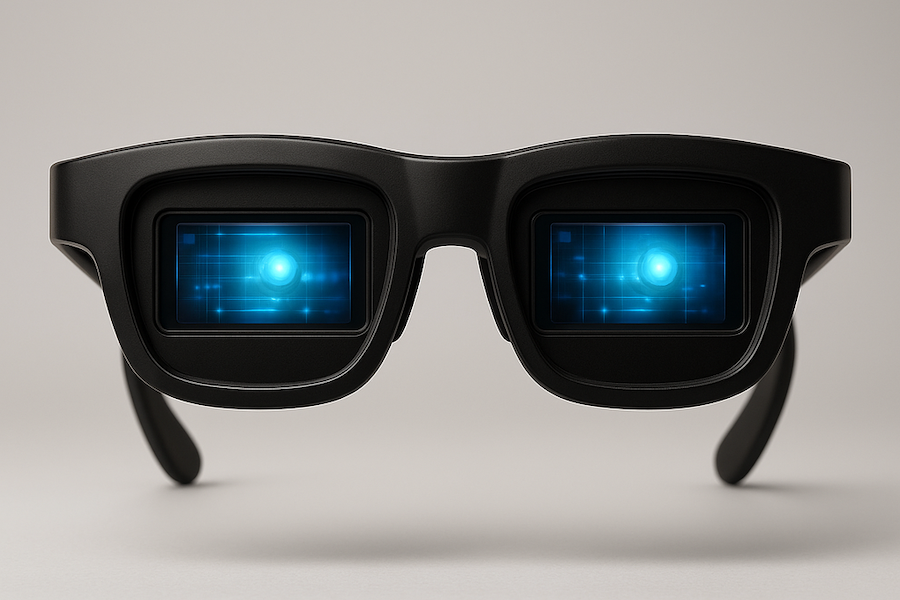
As the horizon of technology continually expands, the imminent evolution in how we interact with digital devices is taking a transformative leap forward. Smart glasses equipped with binocular display systems are emerging not just as a novelty but as a foundational shift in technology. These innovative devices are poised to revolutionize the entertainment industry and potentially replace traditional handheld devices, heralding a new era in personal technology.
The Technology Explained
Binocular display systems utilize dual displays to project images to both eyes, creating a stereoscopic effect that emulates natural human vision. This technology enhances depth perception and allows for a more immersive experience. In smart glasses, this can lead to augmented reality (AR) overlays that integrate seamlessly with the user’s environment, transforming the mundane into the extraordinary. Imagine watching a thriller where the suspense isn’t just on screen — it’s all around you.
Current State of the Market
The wearable technology market is burgeoning, set to expand to $54 billion by 2027, according to GlobalData. Smart glasses are a significant portion of this growth, with an expected CAGR of 13% over the next five years. Industry giants such as Apple, Google, and Meta are leading this surge with a combined investment of more than $10 billion in AR and VR technologies. Their commitment highlights the anticipated shift in primary devices for media consumption, signaling a fundamental change in how we will interact with digital content. Looking ahead, the evolution of smart glasses is set to take a significant leap by 2027, with industry giants such as Meta planning to introduce advanced models such as the Hypernova 2, which will feature binocular displays for both eyes, potentially setting new standards for immersive and interactive media experiences.
Implications for TV and Film
The adoption of smart glasses with binocular display systems could revolutionize viewer engagement. Nielsen reports that AR features can enhance viewer engagement rates by up to 30% over traditional methods. Additionally, PwC forecasts that immersive technologies, including AR, might constitute as much as 23% of all media consumption by 2030. This shift opens up novel content formats and genres that harness AR capabilities, offering interactive narratives and live events with unparalleled immersion.
Revolutionizing Entertainment: How Smart Glasses are Shaping the Future of Media
Challenges to Overcome
Despite the promising horizon, several hurdles remain. The Consumer Technology Association indicates that overcoming the initial consumer resistance seen in earlier wearable technologies — where adoption jumped from 12% to 35% within five years — will be crucial for smart glasses. Concerns about privacy and data security remain significant, with 54% of consumers hesitant due to potential privacy violations, according to a Harris Poll.
The Role of Content Creators and Entertainment Executives
As creatives and industry professionals, we must not only adapt to these technological shifts but also drive them. By pioneering and championing content designed for smart glasses, we can guide the industry toward this new paradigm. Collaboration with tech developers will be essential in ensuring that smart glasses meet the unique needs of the entertainment sector and that we have the right monetization strategies in place to capitalize on content and this new viewing experience. The future is at our doorstep, and it invites us not just to step through, but to shape what lies beyond. As studios, creators, viewers, and innovators, let’s embrace this technology and redefine the essence of media consumption. Join us in crafting this exciting future.
The evolution of smart glasses equipped with binocular display systems is poised to fundamentally alter the entertainment landscape. This technology offers more than just a new way to watch; it offers a new way to experience and interact with content. As we navigate this transition, the potential for innovation in storytelling, viewer engagement, and content personalization is immense. The integration of smart glasses into everyday life signals a shift deeper than just enhancing entertainment — it promises a comprehensive evolution in human-technology interaction. These devices suggest a future where traditional handhelds may become obsolete, overtaken by wearable technology that offers more enriched, connected, and immersive experiences. This shift challenges us to rethink not only how we consume media but how we incorporate digital technology into our daily lives. As this technology advances, it will redefine personal connectivity in ways we are just beginning to understand.
Jerry Inman is the chief marketing officer of Whip Media, which helps the world’s leading entertainment companies connect content to consumers, and track content performance anywhere.