
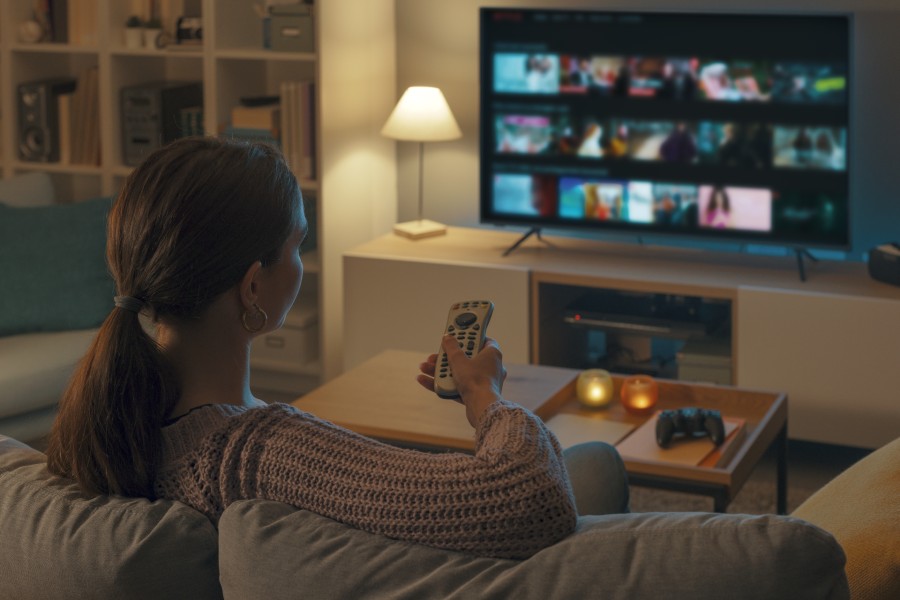
Smart Television (Shutterstock image)



December 23, 2025




Recent headlines about Warner Bros. Discovery, from the accepted deal with Netflix to a hostile bid by Paramount, have focused on libraries, IP valuation, and the future of individual services. But here’s the question almost no one is asking: if Netflix controls the IP, does that automatically translate to more visibility for Warner Bros. titles across the CTV home screen?

Underneath the deal speculation lies a more consequential battle: who owns the digital shelf where that content is merchandised in the CTV ecosystem?
In a linear world, owning a studio meant owning a catalog, and distribution followed a relatively predictable path. In today’s CTV-dominated landscape, control is far more fragmented and arguably more valuable. With streaming, what matters is not simply what you own, but who controls the “front door” of discovery across devices, platforms, and operating systems.
The New Home Screen Power Brokers
Smart TV platforms and connected TV operating systems, including Roku, Fire TV, Google TV, Samsung and LG, now control access to audiences at the moment of choice. They determine which title is promoted, where it appears on the home screen, which carousel it surfaces in, and which franchises receive premium placement.
Owning the IP is one aspect; managing visibility is an entirely different challenge. Owning HBO doesn’t automatically translate into owning the HBO slot on Samsung. Even if Netflix were to acquire Warner Bros. Discovery, the visibility of their titles on Samsung devices or Fire TV homepages would still need to be negotiated inside the merchandising economics of those platforms.
The High Stakes of Premium Real Estate
Premium placements on home screens are already dominated by a small number of global players. Independent CTV visibility data shows that week after week, the same companies capture a disproportionate share of high-impact merchandising slots. This imbalance is likely to grow, not shrink, as consolidation increases.
In that context, the Netflix-WBD deal is about more than bringing beloved franchises under one roof. It’s about controlling more opportunities to surface that content across third-party operating systems, especially as those platforms continue to build their own advertising, promotion and merchandising businesses.
Why This Matters
Even the biggest studios today do not control their promotional destiny across the CTV ecosystem. They depend on platform relations teams, merchandising spend, and retail-style negotiations to secure shelf space.
And that’s what makes the WBD case so interesting: studio ownership doesn’t guarantee on-screen visibility. Visibility is rented, not owned. No matter who controls the IP, the studio still has to compete for placement inside the merchandising architecture of Roku, Samsung, LG and others.
The Industry Question No One Is Asking Yet
As consolidation accelerates, the strategic question becomes: If content ownership shifts, does merchandising power shift with it? The short answer is: not automatically.
Owning a studio doesn’t necessarily mean owning the most valuable promotional real estate in the ecosystem. That belongs to the devices, the OS layer, and the merchandising engines that shape what audiences see first.
If WBD is acquired, the fundamental challenge remains the same: what percentage of the CTV shelf do they really own and at what cost?
If the future of streaming is being decided on the home screen, visibility is the currency everyone now has to measure. And as M&A reshapes the competitive landscape, the winners will be the companies that understand not just the value of their IP, but also its discoverability across the devices audiences use every day.
Subscribe HERE to the FREE Media Play News Daily Newsletter!